Fertility testing: Difference between revisions
CSV import Tags: mobile edit mobile web edit |
CSV import |
||
| Line 33: | Line 33: | ||
{{Medical test-stub}} | {{Medical test-stub}} | ||
<gallery> | |||
File:Ovulatietest.jpg|Ovulation test | |||
File:Pregnancy_chance_by_day_near_ovulation.jpg|Pregnancy chance by day near ovulation | |||
File:Cervical_mucus1.jpg|Cervical mucus | |||
File:Cyclotest_myWay.jpg|Cyclotest myWay | |||
File:Pregnancy_rate_in_ovulation_induction.png|Pregnancy rate in ovulation induction | |||
File:Vaginal_Ultrasound.png|Vaginal ultrasound | |||
File:Blausen_0602_Laparoscopy_02.png|Laparoscopy | |||
</gallery> | |||
Latest revision as of 11:21, 18 February 2025
Fertility testing is a process by which individuals or couples are assessed for their ability to conceive. This encompasses a range of diagnostic procedures aimed at identifying issues related to fertility in both men and women. Understanding the underlying causes of infertility is crucial for determining the most appropriate treatments or interventions. This article provides an overview of the various types of fertility tests available, the reasons for undergoing such tests, and the implications of the results.
Types of Fertility Testing[edit]
For Women[edit]
- Ovulation Testing: A fundamental test that checks for the release of eggs from the ovaries. This can be done through over-the-counter ovulation predictor kits, blood tests, or ultrasound.
- Hysterosalpingography: A radiographic procedure to evaluate the condition of the uterus and fallopian tubes, and to check for blockages that may prevent the egg from traveling through the fallopian tube to the uterus.
- Ovarian Reserve Testing: Determines the quantity and quality of a woman's eggs. This involves blood tests for hormone levels, including FSH (follicle-stimulating hormone), AMH (anti-Müllerian hormone), and estradiol.
- Other Hormone Testing: Checks levels of other hormones that play a role in fertility, such as thyroid-stimulating hormone (TSH) and prolactin.
- Ultrasound: Used to examine the uterus and ovaries for abnormalities such as fibroids and polycystic ovary syndrome (PCOS).
For Men[edit]
- Semen Analysis: The most common test for male fertility, this analyzes the health and viability of sperm.
- Hormone Testing: Evaluates the levels of testosterone and other hormones that influence sperm production.
- Genetic Testing: Can identify specific genetic causes of infertility.
- Testicular Biopsy: Involves taking a small sample from the testes to identify blockages or other issues affecting sperm production.
Reasons for Fertility Testing[edit]
Individuals or couples may opt for fertility testing for various reasons, including:
- Inability to conceive after one year of unprotected intercourse (or six months if the woman is over 35).
- Recurrent miscarriages.
- Known risk factors such as irregular menstrual cycles, history of pelvic inflammatory disease, or previous cancer treatment.
Understanding the Results[edit]
Fertility test results can provide valuable insights into potential issues affecting an individual's or couple's ability to conceive. Abnormal results may indicate the need for further testing, lifestyle changes, or specific treatments such as medication, surgery, or assisted reproductive technologies (ART) like in vitro fertilization (IVF).
Conclusion[edit]
Fertility testing is a critical step for individuals and couples facing challenges in conceiving. By identifying the underlying causes of infertility, healthcare providers can tailor treatments to address specific issues, thereby increasing the chances of conception.
This article is a Medical test-related stub. You can help WikiMD by expanding it!
-
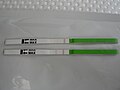 Ovulation test
 -
 Pregnancy chance by day near ovulation
 -
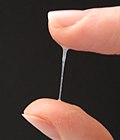 Cervical mucus
 -
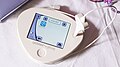 Cyclotest myWay
 -
 Pregnancy rate in ovulation induction
 -
 Vaginal ultrasound
 -
 Laparoscopy


