Edible flower: Difference between revisions
CSV import |
CSV import |
||
| Line 26: | Line 26: | ||
[[Category:Flowers]] | [[Category:Flowers]] | ||
{{food-stub}} | {{food-stub}} | ||
<gallery> | |||
File:Starflower_1.jpg|Starflower | |||
File:Sonjna_(Moringa_oleifera)_flowers_at_Kolkata_W_IMG_2123.jpg|Moringa oleifera flowers | |||
File:Gỏi_bông_điên_điển_và_tép_đồng.jpg|Gỏi bông điên điển và tép đồng | |||
File:Muflier_FR_2012.jpg|Muflier | |||
File:Cichorium_intybus_SR_93.jpg|Cichorium intybus | |||
File:Centaurées.jpg|Centaurées | |||
File:Chinese_Flower_Cake.jpg|Chinese Flower Cake | |||
File:Choc_cake-candied_violets.jpg|Chocolate cake with candied violets | |||
</gallery> | |||
Latest revision as of 11:20, 18 February 2025
Edible flowers are flowers that can be consumed safely by humans. Many cultures incorporate a variety of flowers into their cooking, using them to add flavor, color, and aroma to various dishes. Edible flowers can be used fresh as garnishes, infused into beverages, incorporated into salads, or even used in cooking and baking. It is important to note that not all flowers are edible; some can be toxic, so proper identification and knowledge of edible varieties are crucial.
Types of Edible Flowers[edit]
Several flowers are recognized for their culinary uses. Some of the most popular include:
- Roses: Known for their fragrant petals, which can be used in syrups, teas, desserts, and garnishes.
- Lavender: With its distinctive aroma, lavender is often used in baked goods, teas, and as a flavoring in various dishes.
- Nasturtium: Both the flowers and leaves are edible, offering a peppery taste similar to arugula, making them a colorful addition to salads.
- Violets: These have a sweet flavor and are often used in desserts, salads, or as decorations on cakes and pastries.
- Calendula: Also known as pot marigold, calendula petals have a tangy taste and are used in salads, as garnishes, or to add color to dishes.
- Chamomile: Best known for its use in tea, chamomile flowers have a mild, apple-like flavor and are also used in desserts.
Culinary Uses[edit]
Edible flowers can be used in a variety of culinary applications. They can be added to salads for a burst of color and flavor, used to decorate cakes and desserts, or infused into beverages like cocktails and teas. Some flowers, such as lavender and rose, are also used to flavor jams, jellies, honey, and other sweet treats. In addition to their use in cooking, edible flowers can be crystallized with sugar and used as elegant decorations.
Safety Considerations[edit]
When consuming edible flowers, it is essential to ensure they are safe for consumption. Only flowers that have been identified as edible should be eaten, and they should be free from pesticides and other chemicals. It is also important to introduce edible flowers into the diet gradually, as they can potentially cause allergic reactions in some individuals.
Cultivation[edit]
Many edible flowers can be easily grown in home gardens. They require the same care as other flowering plants, including adequate sunlight, water, and soil nutrients. Growing edible flowers at home ensures that they are fresh and free from harmful chemicals.
Conclusion[edit]
Edible flowers offer a unique way to enhance the flavor, aroma, and appearance of various dishes. With a wide range of edible varieties available, they can be incorporated into numerous culinary creations. However, it is crucial to ensure that any flowers used for consumption are safe to eat and have been properly identified.

-
 Starflower
 -
 Moringa oleifera flowers
 -
 Gỏi bông điên điển và tép đồng
 -
 Muflier
 -
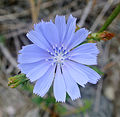 Cichorium intybus
 -
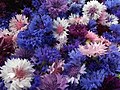 Centaurées
 -
 Chinese Flower Cake
 -
 Chocolate cake with candied violets

_flowers_at_Kolkata_W_IMG_2123.jpg)


