Global 200: Difference between revisions
CSV import |
CSV import |
||
| Line 46: | Line 46: | ||
[[Category:Biodiversity]] | [[Category:Biodiversity]] | ||
[[Category:World Wildlife Fund]] | [[Category:World Wildlife Fund]] | ||
<gallery> | |||
File:Ecoregions.png|Global_200 | |||
File:Wwfeco.png|Global_200 | |||
File:Ucayalirivermap.png|Global_200 | |||
File:Lijiang_Lage.jpg|Global_200 | |||
File:Indiahills.png|Global_200 | |||
File:Ocean_drainage.png|Global_200 | |||
File:Vegetation-no-legend.PNG|Global_200 | |||
</gallery> | |||
Latest revision as of 11:18, 18 February 2025
Global 200[edit]
The term "Global 200" refers to a comprehensive list of ecoregions identified by the World Wildlife Fund (WWF) as priorities for conservation. These ecoregions are selected based on their unique biodiversity and the ecological processes they support. The Global 200 aims to focus conservation efforts on the most biologically distinct habitats around the world.
Overview[edit]
The Global 200 is a scientifically rigorous approach to conservation that highlights the most critical areas for preserving the Earth's biodiversity. The selection of these ecoregions is based on criteria such as species richness, endemism, and the presence of rare or endangered species. The initiative seeks to ensure that the full range of Earth's ecosystems is represented in conservation efforts.
Criteria for Selection[edit]
The ecoregions included in the Global 200 are chosen based on several key criteria:
- Species Richness: Areas with a high number of species, particularly those with a large number of endemic species, are prioritized.
- Endemism: Regions with species that are not found anywhere else in the world are considered crucial for conservation.
- Unique Ecological Phenomena: Ecoregions that support unique ecological processes or phenomena, such as migration routes or breeding grounds, are included.
- Threat Levels: Areas facing significant threats from human activities, such as deforestation or pollution, are prioritized to prevent further biodiversity loss.
Importance of the Global 200[edit]
The Global 200 serves as a guide for conservationists, policymakers, and researchers to focus their efforts on the most critical areas for biodiversity conservation. By concentrating resources and attention on these ecoregions, the initiative aims to:
- Preserve the planet's biological heritage.
- Maintain ecosystem services that are vital for human well-being.
- Combat the effects of climate change by protecting natural carbon sinks.
Examples of Global 200 Ecoregions[edit]
Some notable ecoregions included in the Global 200 are:
- Amazon Rainforest: Known for its unparalleled biodiversity and vast carbon storage capacity.
- Coral Triangle: A marine area in the western Pacific Ocean with the highest diversity of coral species.
- Madagascar Dry Deciduous Forests: Home to many unique species, including lemurs and baobabs.
- Eastern Himalayas: A region with diverse habitats ranging from subtropical forests to alpine meadows.
Challenges and Criticisms[edit]
While the Global 200 is a valuable tool for conservation, it faces several challenges:
- Resource Allocation: Limited resources mean that not all ecoregions can receive equal attention.
- Political and Economic Factors: Conservation efforts can be hindered by political instability or economic pressures in certain regions.
- Dynamic Nature of Ecosystems: Ecoregions are dynamic and can change over time, requiring adaptive management strategies.
Conclusion[edit]
The Global 200 is a critical initiative for global biodiversity conservation. By identifying and prioritizing the most important ecoregions, it provides a framework for effective conservation strategies that can help preserve the planet's natural heritage for future generations.
References[edit]
- World Wildlife Fund. "Global 200 Ecoregions." Accessed October 2023.
- Myers, N., et al. "Biodiversity Hotspots for Conservation Priorities." Nature, 2000.
-
 Global_200
 -
 Global_200
 -
 Global_200
 -
 Global_200
 -
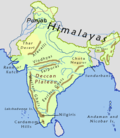 Global_200
 -
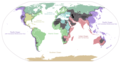 Global_200
 -
 Global_200


