Environmental impact of mining: Difference between revisions
CSV import |
CSV import |
||
| Line 51: | Line 51: | ||
[[Category:Environmental issues]] | [[Category:Environmental issues]] | ||
[[Category:Sustainable development]] | [[Category:Sustainable development]] | ||
<gallery> | |||
File:Rio_tinto_river_CarolStoker_NASA_Ames_Research_Center.jpg|Environmental impact of mining | |||
File:2008-05-23_Haus_Ecke_Kamp_und_Johowstrasse.JPG|Environmental impact of mining | |||
File:Lagoa_vermelha_na_Mina_do_Losal_05.jpg|Environmental impact of mining | |||
File:Tabubil-world_wind.png|Environmental impact of mining | |||
File:Osisko_lake.JPG|Environmental impact of mining | |||
File:Malartik_mine_-_Osisko.JPG|Environmental impact of mining | |||
File:Lithium_Mining_at_Salar_del_Hombre_Muerto,_Argentina.jpg|Environmental impact of mining | |||
File:Karst_following_phosphate_mining_on_Nauru.jpg|Environmental impact of mining | |||
</gallery> | |||
Latest revision as of 11:04, 18 February 2025
Environmental Impact of Mining[edit]
Mining is a significant economic activity that provides essential raw materials for various industries. However, it also poses substantial environmental challenges. This article explores the environmental impact of mining, including its effects on land, water, air, and biodiversity.
Land Degradation[edit]
Mining activities often lead to significant land degradation. The removal of topsoil and vegetation during open-pit mining and strip mining can result in soil erosion, loss of arable land, and habitat destruction. The creation of tailings and waste rock piles can further exacerbate these issues by altering the natural landscape and increasing the risk of landslides.
Soil Erosion[edit]
The removal of vegetation and topsoil exposes the land to erosion by wind and water. This can lead to the loss of fertile soil, making it difficult for plants to grow and for ecosystems to recover.
Habitat Destruction[edit]
Mining operations can destroy habitats, leading to the displacement or extinction of local flora and fauna. This is particularly concerning in biodiversity hotspots where unique species may be at risk.
Water Pollution[edit]
Mining can have severe impacts on water quality. The process of extracting minerals often involves the use of chemicals that can contaminate nearby water sources.
Acid Mine Drainage[edit]
One of the most significant water-related issues is acid mine drainage (AMD). This occurs when sulfide minerals in exposed rock surfaces react with air and water to produce sulfuric acid. This acid can leach heavy metals from rocks, contaminating nearby streams and rivers.
Heavy Metal Contamination[edit]
Mining can release heavy metals such as mercury, lead, and cadmium into water bodies. These metals can accumulate in the food chain, posing health risks to humans and wildlife.
Air Pollution[edit]
Mining activities can also contribute to air pollution. Dust and emissions from machinery and processing plants can degrade air quality.
Dust Emissions[edit]
The extraction and transportation of minerals generate dust, which can affect air quality and human health. Dust particles can carry toxic substances that, when inhaled, can cause respiratory problems.
Greenhouse Gas Emissions[edit]
Mining operations are energy-intensive and often rely on fossil fuels, contributing to greenhouse gas emissions. This exacerbates climate change, which has far-reaching environmental impacts.
Biodiversity Loss[edit]
The environmental impact of mining extends to biodiversity loss. The destruction of habitats and pollution of ecosystems can lead to a decline in species diversity.
Endangered Species[edit]
Mining can threaten endangered species by destroying their habitats or polluting their environments. Conservation efforts are often needed to protect these species from extinction.
Mitigation Strategies[edit]
Efforts to mitigate the environmental impact of mining include stricter regulations, improved technologies, and rehabilitation of mined areas.
Reclamation and Rehabilitation[edit]
Reclamation involves restoring the land to its natural state or repurposing it for other uses. This can include replanting vegetation, reshaping the land, and treating contaminated water.
Sustainable Mining Practices[edit]
Adopting sustainable mining practices, such as reducing waste, recycling materials, and using cleaner technologies, can help minimize environmental damage.
Conclusion[edit]
While mining is essential for economic development, it is crucial to balance this with environmental protection. By implementing effective mitigation strategies and sustainable practices, the negative impacts of mining can be reduced.
-
 Environmental impact of mining
 -
 Environmental impact of mining
 -
 Environmental impact of mining
 -
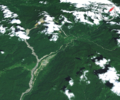 Environmental impact of mining
 -
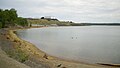 Environmental impact of mining
 -
 Environmental impact of mining
 -
 Environmental impact of mining
 -
 Environmental impact of mining


