Abyssinian cat: Difference between revisions
CSV import |
CSV import |
||
| Line 37: | Line 37: | ||
[[Category:Cat breeds]] | [[Category:Cat breeds]] | ||
[[Category:Natural cat breeds]] | [[Category:Natural cat breeds]] | ||
<gallery> | |||
File:Zula.jpg|Abyssinian cat named Zula | |||
File:Ticking_makro.jpg|Close-up of Abyssinian cat's ticked fur | |||
File:Valentino.jpg|Abyssinian cat named Valentino | |||
File:Abykitten.jpg|Abyssinian kitten | |||
</gallery> | |||
Latest revision as of 04:55, 18 February 2025
Abyssinian cat
The Abyssinian cat is a domestic cat breed known for its distinctive "ticked" coat, which gives it a wild appearance. This breed is one of the oldest known cat breeds and is thought to have originated in Ethiopia, formerly known as Abyssinia, from which it derives its name.
History[edit]
The Abyssinian cat is believed to have been brought to Europe in the 19th century. The first Abyssinian cat to be exhibited was named Zula, who was reportedly imported from Abyssinia to England in the 1860s. The breed gained popularity in the late 19th and early 20th centuries and has since become a favorite among cat enthusiasts worldwide.
Physical characteristics[edit]
Abyssinians are medium-sized cats with a slender, muscular build. They have a distinctive "ticked" coat, where each hair is banded with different colors. This gives the coat a warm, glowing appearance. The most common color is a reddish-brown known as "ruddy," but other colors such as blue, fawn, and cinnamon are also recognized.
Coat[edit]
The coat of an Abyssinian is short and dense, with a fine texture. The "ticking" pattern is the hallmark of the breed, with each hair having multiple bands of color. This pattern is similar to that of wild cats, such as the African wildcat.
Head and body[edit]
Abyssinians have a wedge-shaped head with large, alert ears. Their eyes are almond-shaped and can be gold, green, or hazel. The body is lithe and athletic, with long legs and a tapering tail.
Temperament[edit]
Abyssinians are known for their active and playful nature. They are highly intelligent and curious, often engaging in interactive play with their owners. They are also known for their affectionate and social demeanor, making them excellent companions.
Health[edit]
Abyssinians are generally healthy cats, but they can be prone to certain genetic conditions such as renal amyloidosis and progressive retinal atrophy. Regular veterinary check-ups and a healthy diet can help manage these risks.
Related pages[edit]
Gallery[edit]
-
 Zula, the first Abyssinian cat exhibited in England.
 -
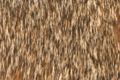 Close-up of the "ticking" pattern on an Abyssinian's coat.
 -
 Abyssinian cat showing typical coat and body structure.
 -
 Abyssinian kitten displaying playful behavior.


-
Abyssinian cat named Zula
-
Close-up of Abyssinian cat's ticked fur
-
Abyssinian cat named Valentino
-
Abyssinian kitten
