Estramustine phosphate: Difference between revisions
CSV import Tags: mobile edit mobile web edit |
CSV import |
||
| Line 34: | Line 34: | ||
[[Category:Prostate cancer treatment]] | [[Category:Prostate cancer treatment]] | ||
{{medicine-stub}} | {{medicine-stub}} | ||
<gallery> | |||
File:Estramustine.svg|Estramustine chemical structure | |||
File:Estradiol.svg|Estradiol chemical structure | |||
File:Estradiol_and_testosterone_levels_with_280_mg_per_day_oral_estramustine_phosphate_in_men_with_prostate_cancer.png|Estradiol and testosterone levels with 280 mg/day oral estramustine phosphate in men with prostate cancer | |||
File:Estramustine_phosphate_metabolism.png|Estramustine phosphate metabolism | |||
</gallery> | |||
Latest revision as of 04:43, 18 February 2025
Estramustine phosphate is a chemotherapy medication primarily used in the treatment of prostate cancer. It combines the properties of estrogen and nitrogen mustard in a single molecule, aiming to target cancer cells effectively. This article provides a comprehensive overview of estramustine phosphate, including its mechanism of action, uses, administration, side effects, and precautions.
Mechanism of Action[edit]
Estramustine phosphate acts through a unique mechanism that involves the disruption of microtubule function in cancer cells. By binding to microtubule-associated proteins, it interferes with the formation of the mitotic spindle, which is essential for cell division. Additionally, the estrogen component of the drug may contribute to its anticancer effects by binding to estrogen receptors on cancer cells, leading to altered gene expression and cell death.
Uses[edit]
Estramustine phosphate is primarily used in the treatment of prostate cancer, especially in cases where the cancer has not responded to other treatments. It may be used alone or in combination with other chemotherapy agents to improve outcomes.
Administration[edit]
Estramustine phosphate is administered orally in the form of capsules. The dosage and duration of treatment depend on the patient's condition, response to therapy, and the presence of any side effects. It is important for patients to follow their healthcare provider's instructions closely when taking this medication.
Side Effects[edit]
Like all chemotherapy drugs, estramustine phosphate can cause side effects, although not everyone experiences them. Common side effects include:
- Nausea and vomiting
- Diarrhea
- Breast enlargement or tenderness
- Fatigue
- Elevated blood pressure
Less common but more serious side effects may include:
- Blood clots
- Liver dysfunction
- Cardiovascular events
Patients should report any side effects to their healthcare provider, who may adjust the dose or prescribe medications to manage the symptoms.
Precautions[edit]
Before starting treatment with estramustine phosphate, patients should inform their healthcare provider about any existing health conditions, especially liver disease, blood clotting disorders, or cardiovascular disease. Additionally, because this medication can interact with other drugs, it is important to provide a complete list of all medications being taken, including over-the-counter drugs and supplements.
Conclusion[edit]
Estramustine phosphate is an important chemotherapy drug in the treatment of prostate cancer, offering a unique mechanism of action that targets cancer cells. While effective, it is associated with potential side effects and requires careful monitoring by healthcare professionals. Patients should engage in open communication with their healthcare team to ensure the best possible outcomes during treatment.

-
 Estramustine chemical structure
 -
 Estradiol chemical structure
 -
 Estradiol and testosterone levels with 280 mg/day oral estramustine phosphate in men with prostate cancer
 -
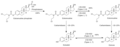 Estramustine phosphate metabolism


