Gastrovascular cavity: Difference between revisions
From WikiMD's Medical Encyclopedia
CSV import |
CSV import |
||
| Line 4: | Line 4: | ||
{{dictionary-stub1}} | {{dictionary-stub1}} | ||
{{short-articles-ni}} | {{short-articles-ni}} | ||
<gallery> | |||
File:Jellyfish_cross_section_numbered.svg|Cross-section of a jellyfish showing the gastrovascular cavity | |||
File:Dugesia_Anatomy_schematic.svg|Schematic anatomy of Dugesia with gastrovascular cavity | |||
</gallery> | |||
Latest revision as of 02:15, 18 February 2025
The gastrovascular cavity is the primary organ of digestion and circulation in two major animal phyla: the Coelenterates or cnidarians and Platyhelminthes in maximum length. The pointed, oval-shaped leaves are 2 to 3 cm long and green. The plant bears small, solitary bell-shaped flowers in shades of white to very light pink with reddish bracts. The flowers hang like tiny bells. The fruit is a red berrylike capsule. It was a food for the Hoh and Quileute of the Pacific Northwest. [[Category:Uncategorized
| This article is a stub. You can help WikiMD by registering to expand it. |

-
 Cross-section of a jellyfish showing the gastrovascular cavity
 -
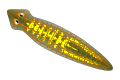 Schematic anatomy of Dugesia with gastrovascular cavity


