Cavernous nerve plexus: Difference between revisions
CSV import Tags: mobile edit mobile web edit |
CSV import Tags: mobile edit mobile web edit |
||
| Line 24: | Line 24: | ||
{{Anatomy-stub}} | {{Anatomy-stub}} | ||
<gallery> | |||
File:Gray844.png|Cavernous nerve plexus | |||
File:Gray775.png|Cavernous nerve plexus | |||
</gallery> | |||
Latest revision as of 02:10, 17 February 2025
Cavernous Nerve Plexus
The cavernous nerve plexus is a critical structure in the human body, primarily involved in the physiological process of penile erection. This complex network of nerves is situated bilaterally, running alongside the prostate and entering the corpora cavernosa of the penis. The integrity and function of the cavernous nerve plexus are essential for the maintenance of erectile function, making it a significant focus in areas of medical research, particularly in the context of prostate surgery.
Anatomy[edit]
The cavernous nerve plexus originates from the pelvic plexus, with fibers that are predominantly autonomic. These fibers are a mix of both sympathetic and parasympathetic nervous system components, which play a crucial role in the regulation of blood flow to the penile tissue. The nerves travel in close proximity to the prostate gland, making them susceptible to damage during prostatectomy procedures.
Function[edit]
The primary function of the cavernous nerve plexus is to facilitate penile erection. It achieves this through the release of neurotransmitters that lead to the relaxation of smooth muscle tissue in the corpora cavernosa, resulting in increased blood flow into the penile shaft and subsequently, an erection. The balance between the sympathetic and parasympathetic inputs from the cavernous nerves is critical for the initiation and maintenance of an erection.
Clinical Significance[edit]
- Prostate Surgery and Erectile Dysfunction###
One of the major clinical concerns related to the cavernous nerve plexus is its vulnerability during prostate surgery, particularly radical prostatectomy. Damage to these nerves can result in erectile dysfunction (ED), a common postoperative complication affecting a significant proportion of men undergoing prostate cancer surgery. Nerve-sparing techniques have been developed to minimize the risk of ED by preserving the cavernous nerves during prostatectomy.
- Diagnostic and Therapeutic Approaches###
Advancements in medical imaging have facilitated the visualization and mapping of the cavernous nerve plexus, aiding surgeons in avoiding nerve damage during procedures. Additionally, various therapeutic strategies, including pharmacological agents, penile implants, and nerve grafting, have been explored to restore erectile function in men with cavernous nerve damage.
Research and Future Directions[edit]
Ongoing research is focused on improving the understanding of cavernous nerve anatomy and function, developing nerve-sparing surgical techniques, and exploring regenerative medicine approaches for nerve repair. The potential of stem cell therapy and neurotrophic factors in promoting nerve regeneration holds promise for future treatments aimed at restoring erectile function in patients with cavernous nerve damage.

-
 Cavernous nerve plexus
 -
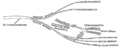 Cavernous nerve plexus


