Argopecten irradians: Difference between revisions
CSV import Tags: mobile edit mobile web edit |
CSV import |
||
| Line 1: | Line 1: | ||
{{Short description|Apex predators in various ecosystems}} | |||
== | ==Apex Predator== | ||
An '''apex predator''', also known as an alpha predator or top predator, is a predator at the top of a food chain, with no natural predators. Apex predators are crucial in maintaining the health and balance of ecosystems by controlling the populations of prey species and competing predators. | |||
== | ==Characteristics== | ||
Apex predators are characterized by their position at the top of the food chain. They often have adaptations that make them highly efficient hunters, such as sharp teeth, claws, keen senses, and powerful bodies. These predators play a critical role in maintaining the structure and function of their ecosystems by regulating prey populations and influencing the distribution and behavior of other species. | |||
== | ==Examples of Apex Predators== | ||
== | ===Terrestrial Apex Predators=== | ||
* '''[[Lion]] (''Panthera leo'')''': Known as the "king of the jungle," lions are apex predators in the African savannas. They hunt in groups called prides and primarily prey on large herbivores such as zebras and wildebeests. | |||
* '''[[Gray Wolf]] (''Canis lupus'')''': Wolves are apex predators in many ecosystems across the Northern Hemisphere. They hunt in packs and are known for their complex social structures and cooperative hunting strategies. | |||
* '''[[Lynx]] (''Lynx lynx'')''': The Eurasian lynx is a solitary predator that preys on small to medium-sized mammals and birds. It is an apex predator in its forested habitat. | |||
* [[ | |||
== | ===Marine Apex Predators=== | ||
* '''[[Orca]] (''Orcinus orca'')''': Also known as killer whales, orcas are apex predators in the ocean. They have a diverse diet that includes fish, seals, and even other whales. | |||
* [ | |||
[[ | * '''[[Great White Shark]] (''Carcharodon carcharias'')''': This large shark is an apex predator in marine environments, known for its powerful build and hunting prowess. | ||
[[Category: | |||
[[Category: | * '''[[Saltwater Crocodile]] (''Crocodylus porosus'')''': The largest living reptile, the saltwater crocodile is an apex predator in its aquatic habitat, preying on a variety of animals including fish, birds, and mammals. | ||
===Avian Apex Predators=== | |||
* '''[[Skua]]''': These aggressive seabirds are apex predators in their environment, known for their kleptoparasitic behavior, stealing food from other birds. | |||
===Prehistoric Apex Predators=== | |||
* '''[[Anomalocaris]]''': An ancient marine predator from the Cambrian period, Anomalocaris was one of the earliest known apex predators, preying on trilobites and other marine organisms. | |||
==Ecological Role== | |||
Apex predators have a significant impact on their ecosystems. They help control the populations of prey species, which can prevent overgrazing and maintain biodiversity. Their presence can also influence the behavior and distribution of other species, a phenomenon known as the "landscape of fear." | |||
==Conservation== | |||
Many apex predators are threatened by human activities such as habitat destruction, hunting, and climate change. Conservation efforts are crucial to protect these species and the ecosystems they help sustain. Protecting apex predators often involves preserving large areas of habitat and implementing policies to reduce human-wildlife conflict. | |||
==Related Pages== | |||
* [[Food chain]] | |||
* [[Trophic level]] | |||
* [[Biodiversity]] | |||
* [[Ecosystem]] | |||
==Gallery== | |||
<gallery> | |||
File:020_The_lion_king_Snyggve_in_the_Serengeti_National_Park_Photo_by_Giles_Laurent.jpg|Lion in the Serengeti National Park | |||
File:SaltwaterCrocodile('Maximo').jpg|Saltwater Crocodile | |||
File:Comparison_of_size_of_orca_and_great_white_shark.svg|Comparison of Orca and Great White Shark | |||
File:Skua_Runde.jpg|Skua | |||
File:Canis_lupus_pack_surrounding_Bison.jpg|Gray Wolf pack | |||
File:21_Walrus_Hunt_1999.jpg|Walrus Hunt | |||
File:20191203_Anomalocaris_canadensis.png|Anomalocaris | |||
File:37-svaghi,_caccia,Taccuino_Sanitatis,_Casanatense_4182..jpg|Medieval hunting scene | |||
File:Tiger_shark_size.svg|Tiger Shark size comparison | |||
File:Lynx_Lynx_(10597310204).jpg|Eurasian Lynx | |||
</gallery> | |||
[[Category:Ecology]] | |||
[[Category:Predators]] | |||
Revision as of 17:48, 11 February 2025
Apex predators in various ecosystems
Apex Predator
An apex predator, also known as an alpha predator or top predator, is a predator at the top of a food chain, with no natural predators. Apex predators are crucial in maintaining the health and balance of ecosystems by controlling the populations of prey species and competing predators.
Characteristics
Apex predators are characterized by their position at the top of the food chain. They often have adaptations that make them highly efficient hunters, such as sharp teeth, claws, keen senses, and powerful bodies. These predators play a critical role in maintaining the structure and function of their ecosystems by regulating prey populations and influencing the distribution and behavior of other species.
Examples of Apex Predators
Terrestrial Apex Predators
- Lion (Panthera leo): Known as the "king of the jungle," lions are apex predators in the African savannas. They hunt in groups called prides and primarily prey on large herbivores such as zebras and wildebeests.
- Gray Wolf (Canis lupus): Wolves are apex predators in many ecosystems across the Northern Hemisphere. They hunt in packs and are known for their complex social structures and cooperative hunting strategies.
- Lynx (Lynx lynx): The Eurasian lynx is a solitary predator that preys on small to medium-sized mammals and birds. It is an apex predator in its forested habitat.
Marine Apex Predators
- Orca (Orcinus orca): Also known as killer whales, orcas are apex predators in the ocean. They have a diverse diet that includes fish, seals, and even other whales.
- Great White Shark (Carcharodon carcharias): This large shark is an apex predator in marine environments, known for its powerful build and hunting prowess.
- Saltwater Crocodile (Crocodylus porosus): The largest living reptile, the saltwater crocodile is an apex predator in its aquatic habitat, preying on a variety of animals including fish, birds, and mammals.
Avian Apex Predators
- Skua: These aggressive seabirds are apex predators in their environment, known for their kleptoparasitic behavior, stealing food from other birds.
Prehistoric Apex Predators
- Anomalocaris: An ancient marine predator from the Cambrian period, Anomalocaris was one of the earliest known apex predators, preying on trilobites and other marine organisms.
Ecological Role
Apex predators have a significant impact on their ecosystems. They help control the populations of prey species, which can prevent overgrazing and maintain biodiversity. Their presence can also influence the behavior and distribution of other species, a phenomenon known as the "landscape of fear."
Conservation
Many apex predators are threatened by human activities such as habitat destruction, hunting, and climate change. Conservation efforts are crucial to protect these species and the ecosystems they help sustain. Protecting apex predators often involves preserving large areas of habitat and implementing policies to reduce human-wildlife conflict.
Related Pages
Gallery
-
 Lion in the Serengeti National Park
 -
 Saltwater Crocodile
 -
 Comparison of Orca and Great White Shark
 -
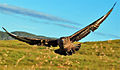 Skua
Skua -
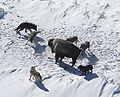 Gray Wolf pack
 -
 Walrus Hunt
 -
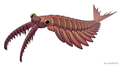 Anomalocaris
 -
 Medieval hunting scene
 -
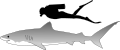 Tiger Shark size comparison
 -
 Eurasian Lynx

.jpg)


.jpg)
