Coronary occlusion: Difference between revisions
CSV import |
CSV import |
||
| Line 50: | Line 50: | ||
[[Category:Cardiovascular diseases]] | [[Category:Cardiovascular diseases]] | ||
<gallery> | |||
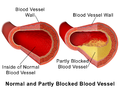
File:Blausen 0052 Artery NormalvPartially-BlockedVessel.png|Coronary occlusion | |||
File:Histopathology of coronary artery atherosclerosis, annotated.jpg|Coronary occlusion | |||
File:2016 Occluded Coronay Arteries.jpg|Coronary occlusion | |||
File:Moderní výpočetní tomografie s přímo digitální detekcí rentgenového záření.jpg|Coronary occlusion | |||
</gallery> | |||
Revision as of 00:49, 20 February 2025
Blockage of a coronary artery
Coronary occlusion refers to the partial or complete blockage of a coronary artery, which can lead to a reduction in blood flow to the myocardium (heart muscle). This condition is a critical component of coronary artery disease and can result in a myocardial infarction (heart attack) if not promptly addressed.
Pathophysiology
Coronary occlusion typically occurs due to the buildup of atherosclerotic plaques within the coronary arteries. These plaques are composed of lipids, cholesterol, and other substances that accumulate on the arterial walls. Over time, these plaques can rupture, leading to the formation of a thrombus (blood clot) that can obstruct blood flow.
Atherosclerosis
Atherosclerosis is a chronic inflammatory process that affects the arterial walls. It begins with endothelial injury, which can be caused by factors such as hypertension, smoking, and hyperlipidemia. The injury leads to the accumulation of lipids and the formation of fatty streaks, which progress to fibrous plaques. These plaques can narrow the arterial lumen and reduce blood flow.
Thrombosis
When an atherosclerotic plaque ruptures, it exposes the underlying collagen and tissue factor, triggering the coagulation cascade. This results in the formation of a thrombus that can occlude the artery. The degree of occlusion and the location of the blockage determine the severity of the resulting ischemia.
Clinical Presentation
The clinical manifestations of coronary occlusion depend on the extent and duration of the blockage. Common symptoms include:
- Angina pectoris: Chest pain or discomfort that occurs when the heart muscle does not receive enough oxygen-rich blood.
- Dyspnea: Shortness of breath, which may occur with exertion or at rest.
- Diaphoresis: Excessive sweating, often accompanying chest pain.
- Nausea and vomiting: These symptoms can occur due to the activation of the autonomic nervous system.
In cases of complete occlusion, a myocardial infarction may occur, characterized by severe chest pain, often described as a "crushing" sensation, radiating to the left arm, neck, or jaw.
Diagnosis
The diagnosis of coronary occlusion involves a combination of clinical evaluation, laboratory tests, and imaging studies. Key diagnostic tools include:
- Electrocardiogram (ECG): This test records the electrical activity of the heart and can identify changes indicative of ischemia or infarction.
- Cardiac biomarkers: Elevated levels of troponin and creatine kinase-MB are markers of myocardial injury.
- Coronary angiography: This imaging technique visualizes the coronary arteries and can identify the location and severity of the occlusion.
Management
The management of coronary occlusion aims to restore blood flow to the affected myocardium and prevent further complications. Treatment options include:
- Pharmacotherapy: Medications such as antiplatelet agents, anticoagulants, and thrombolytics are used to dissolve clots and prevent further thrombosis.
- Percutaneous coronary intervention (PCI): This procedure involves the insertion of a catheter to open the blocked artery, often with the placement of a stent to keep the artery open.
- Coronary artery bypass grafting (CABG): In cases of severe or multiple blockages, surgical bypass of the occluded arteries may be necessary.
Prevention
Preventive measures focus on reducing risk factors for atherosclerosis and coronary artery disease. These include:
- Lifestyle modifications: Adopting a heart-healthy diet, engaging in regular physical activity, and avoiding tobacco use.
- Management of comorbid conditions: Controlling hypertension, diabetes mellitus, and dyslipidemia through medication and lifestyle changes.
Related pages
-
 Coronary occlusion
 -
 Coronary occlusion
 -
 Coronary occlusion
 -
 Coronary occlusion


