Alternate care site: Difference between revisions
CSV import |
CSV import |
||
| Line 5: | Line 5: | ||
File:Javits_Patient_Care_Room.jpg|Patient care room at Javits alternate care site | File:Javits_Patient_Care_Room.jpg|Patient care room at Javits alternate care site | ||
</gallery> | </gallery> | ||
== Alternate Care Site == | |||
An '''alternate care site''' (ACS) is a location that is temporarily converted for healthcare use during times of public health emergencies, such as pandemics, natural disasters, or other situations where the demand for medical services exceeds the capacity of existing healthcare facilities. These sites are established to provide additional space for patient care, thereby alleviating the burden on hospitals and other primary healthcare facilities. | |||
== Purpose and Function == | |||
Alternate care sites are designed to expand the capacity of healthcare systems by providing additional beds and resources for patient care. They can be used for a variety of purposes, including: | |||
* '''Triage and Screening''': ACSs can serve as locations for initial patient assessment and triage, helping to determine the severity of a patient's condition and the appropriate level of care required. | |||
* '''Non-Critical Care''': These sites often provide care for patients with less severe conditions, allowing hospitals to focus on critically ill patients. | |||
* '''Isolation and Quarantine''': ACSs can be used to isolate patients with infectious diseases, reducing the risk of transmission within hospitals. | |||
* '''Vaccination and Testing''': During pandemics, alternate care sites may be used as mass vaccination or testing centers. | |||
== Types of Alternate Care Sites == | |||
Alternate care sites can vary widely in terms of their structure and location. Common types include: | |||
* '''Field Hospitals''': Temporary structures set up in open spaces, such as sports fields or parking lots, equipped with medical supplies and staffed by healthcare professionals. | |||
* '''Converted Buildings''': Existing buildings, such as convention centers, schools, or hotels, that are repurposed to serve as healthcare facilities. | |||
* '''Mobile Units''': Portable medical units that can be quickly deployed to areas in need, often used in rural or remote locations. | |||
== Planning and Implementation == | |||
The establishment of an alternate care site requires careful planning and coordination among various stakeholders, including government agencies, healthcare providers, and emergency management organizations. Key considerations include: | |||
* '''Site Selection''': Choosing a location that is accessible, has adequate infrastructure, and can be quickly converted for medical use. | |||
* '''Logistics and Supplies''': Ensuring the availability of medical equipment, supplies, and personnel to operate the site effectively. | |||
* '''Regulatory Compliance''': Adhering to healthcare regulations and standards to ensure patient safety and quality of care. | |||
* '''Communication and Coordination''': Establishing clear lines of communication among all parties involved to facilitate efficient operation and management of the site. | |||
== Challenges == | |||
While alternate care sites provide critical support during emergencies, they also present several challenges, including: | |||
* '''Resource Allocation''': Ensuring that sufficient resources, including staff and medical supplies, are available to operate the site. | |||
* '''Staffing''': Recruiting and training healthcare professionals to work in a non-traditional setting. | |||
* '''Patient Management''': Coordinating patient transfers and ensuring continuity of care between the ACS and traditional healthcare facilities. | |||
== Related Pages == | |||
* [[Field hospital]] | |||
* [[Emergency management]] | |||
* [[Pandemic response]] | |||
* [[Public health]] | |||
{{medicine-stub}} | |||
[[Category:Emergency management]] | |||
[[Category:Healthcare facilities]] | |||
Latest revision as of 00:36, 19 February 2025
-
 New York National Guard setting up an alternate care site
 -
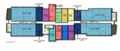 Layout of a hotel alternate care site
 -
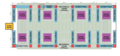 Layout of an open alternate care site
 -
 Patient care room at Javits alternate care site


Alternate Care Site[edit]
An alternate care site (ACS) is a location that is temporarily converted for healthcare use during times of public health emergencies, such as pandemics, natural disasters, or other situations where the demand for medical services exceeds the capacity of existing healthcare facilities. These sites are established to provide additional space for patient care, thereby alleviating the burden on hospitals and other primary healthcare facilities.
Purpose and Function[edit]
Alternate care sites are designed to expand the capacity of healthcare systems by providing additional beds and resources for patient care. They can be used for a variety of purposes, including:
- Triage and Screening: ACSs can serve as locations for initial patient assessment and triage, helping to determine the severity of a patient's condition and the appropriate level of care required.
- Non-Critical Care: These sites often provide care for patients with less severe conditions, allowing hospitals to focus on critically ill patients.
- Isolation and Quarantine: ACSs can be used to isolate patients with infectious diseases, reducing the risk of transmission within hospitals.
- Vaccination and Testing: During pandemics, alternate care sites may be used as mass vaccination or testing centers.
Types of Alternate Care Sites[edit]
Alternate care sites can vary widely in terms of their structure and location. Common types include:
- Field Hospitals: Temporary structures set up in open spaces, such as sports fields or parking lots, equipped with medical supplies and staffed by healthcare professionals.
- Converted Buildings: Existing buildings, such as convention centers, schools, or hotels, that are repurposed to serve as healthcare facilities.
- Mobile Units: Portable medical units that can be quickly deployed to areas in need, often used in rural or remote locations.
Planning and Implementation[edit]
The establishment of an alternate care site requires careful planning and coordination among various stakeholders, including government agencies, healthcare providers, and emergency management organizations. Key considerations include:
- Site Selection: Choosing a location that is accessible, has adequate infrastructure, and can be quickly converted for medical use.
- Logistics and Supplies: Ensuring the availability of medical equipment, supplies, and personnel to operate the site effectively.
- Regulatory Compliance: Adhering to healthcare regulations and standards to ensure patient safety and quality of care.
- Communication and Coordination: Establishing clear lines of communication among all parties involved to facilitate efficient operation and management of the site.
Challenges[edit]
While alternate care sites provide critical support during emergencies, they also present several challenges, including:
- Resource Allocation: Ensuring that sufficient resources, including staff and medical supplies, are available to operate the site.
- Staffing: Recruiting and training healthcare professionals to work in a non-traditional setting.
- Patient Management: Coordinating patient transfers and ensuring continuity of care between the ACS and traditional healthcare facilities.
Related Pages[edit]

