Ape hand deformity: Difference between revisions
CSV import |
CSV import |
||
| Line 4: | Line 4: | ||
File:Apehand_2.JPG|Ape hand deformity | File:Apehand_2.JPG|Ape hand deformity | ||
</gallery> | </gallery> | ||
== Ape Hand Deformity == | |||
'''Ape hand deformity''' is a condition characterized by the inability to oppose the thumb to the other fingers, resulting in a hand posture that resembles that of an ape. This condition is primarily associated with [[median nerve]] dysfunction, which affects the [[thenar eminence]] muscles responsible for thumb opposition. | |||
== Causes == | |||
Ape hand deformity is most commonly caused by injury or compression of the median nerve. This can occur due to: | |||
* [[Carpal tunnel syndrome]] | |||
* [[Trauma]] to the wrist or forearm | |||
* [[Peripheral neuropathy]] | |||
* [[Brachial plexus injury]] | |||
* [[Tumors]] or [[cysts]] compressing the nerve | |||
== Pathophysiology == | |||
The median nerve innervates the thenar muscles, including the [[opponens pollicis]], [[abductor pollicis brevis]], and [[flexor pollicis brevis]]. These muscles are responsible for the opposition and flexion of the thumb. When the median nerve is compromised, these muscles become weak or paralyzed, leading to the characteristic posture of the thumb in ape hand deformity. | |||
== Clinical Presentation == | |||
Patients with ape hand deformity typically present with: | |||
* Inability to oppose the thumb | |||
* Flattening of the thenar eminence | |||
* Weakness in thumb flexion and abduction | |||
* Sensory loss in the lateral three and a half fingers | |||
== Diagnosis == | |||
Diagnosis of ape hand deformity involves: | |||
* Clinical examination to assess thumb opposition and thenar muscle function | |||
* [[Electromyography]] (EMG) and [[nerve conduction studies]] to evaluate median nerve function | |||
* Imaging studies such as [[MRI]] or [[ultrasound]] to identify structural causes of nerve compression | |||
== Treatment == | |||
Treatment of ape hand deformity depends on the underlying cause and may include: | |||
* [[Physical therapy]] to strengthen hand muscles and improve function | |||
* [[Splinting]] to support the thumb and improve hand posture | |||
* Surgical intervention to relieve nerve compression or repair nerve damage | |||
* [[Occupational therapy]] to assist with adaptive techniques for daily activities | |||
== Prognosis == | |||
The prognosis for ape hand deformity varies depending on the cause and severity of the nerve injury. Early diagnosis and treatment can improve outcomes, but severe or prolonged nerve damage may result in permanent dysfunction. | |||
== Related Pages == | |||
* [[Median nerve]] | |||
* [[Carpal tunnel syndrome]] | |||
* [[Peripheral neuropathy]] | |||
* [[Brachial plexus injury]] | |||
{{Hand deformities}} | |||
[[Category:Musculoskeletal disorders]] | |||
[[Category:Neurological disorders]] | |||
Revision as of 00:41, 19 February 2025
-
 Ape hand deformity
 -
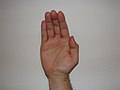 Ape hand deformity
 -
 Ape hand deformity


Ape Hand Deformity
Ape hand deformity is a condition characterized by the inability to oppose the thumb to the other fingers, resulting in a hand posture that resembles that of an ape. This condition is primarily associated with median nerve dysfunction, which affects the thenar eminence muscles responsible for thumb opposition.
Causes
Ape hand deformity is most commonly caused by injury or compression of the median nerve. This can occur due to:
- Carpal tunnel syndrome
- Trauma to the wrist or forearm
- Peripheral neuropathy
- Brachial plexus injury
- Tumors or cysts compressing the nerve
Pathophysiology
The median nerve innervates the thenar muscles, including the opponens pollicis, abductor pollicis brevis, and flexor pollicis brevis. These muscles are responsible for the opposition and flexion of the thumb. When the median nerve is compromised, these muscles become weak or paralyzed, leading to the characteristic posture of the thumb in ape hand deformity.
Clinical Presentation
Patients with ape hand deformity typically present with:
- Inability to oppose the thumb
- Flattening of the thenar eminence
- Weakness in thumb flexion and abduction
- Sensory loss in the lateral three and a half fingers
Diagnosis
Diagnosis of ape hand deformity involves:
- Clinical examination to assess thumb opposition and thenar muscle function
- Electromyography (EMG) and nerve conduction studies to evaluate median nerve function
- Imaging studies such as MRI or ultrasound to identify structural causes of nerve compression
Treatment
Treatment of ape hand deformity depends on the underlying cause and may include:
- Physical therapy to strengthen hand muscles and improve function
- Splinting to support the thumb and improve hand posture
- Surgical intervention to relieve nerve compression or repair nerve damage
- Occupational therapy to assist with adaptive techniques for daily activities
Prognosis
The prognosis for ape hand deformity varies depending on the cause and severity of the nerve injury. Early diagnosis and treatment can improve outcomes, but severe or prolonged nerve damage may result in permanent dysfunction.
