Kambuzi: Difference between revisions
CSV import |
CSV import |
||
| Line 23: | Line 23: | ||
{{food-stub}} | {{food-stub}} | ||
{{No image}} | {{No image}} | ||
== Kambuzi == | |||
<gallery> | |||
File:Kambuzi Chili Pepper.jpg|Kambuzi Chili Pepper | |||
</gallery> | |||
Revision as of 01:23, 20 February 2025
Kambuzi is a type of chili pepper indigenous to Malawi, a country in southeastern Africa. It is a small, round or oval-shaped pepper, typically red or yellow in color. Kambuzi is known for its intense heat and distinctive flavor, which is often described as citrusy or fruity.
Cultivation
Kambuzi is primarily grown in the central and southern regions of Malawi. The pepper plants thrive in the country's tropical climate, which provides the warm temperatures and high humidity levels that chili peppers need to grow. Kambuzi is typically harvested in the dry season, which runs from May to October in Malawi.
Culinary Uses
In Malawian cuisine, Kambuzi is used in a variety of dishes. It is often used to make hot sauces, relishes, and marinades. Kambuzi is also a key ingredient in Ndiwo, a traditional Malawian relish that is served with Nsima, a type of cornmeal porridge that is a staple food in Malawi.
Nutritional Value
Like other chili peppers, Kambuzi is rich in Vitamin C and other antioxidants. It also contains capsaicin, a compound that is known for its pain-relieving properties and its ability to boost metabolism.
Cultural Significance
Kambuzi plays a significant role in Malawian culture. It is not just a food ingredient but also a symbol of the country's rich culinary heritage. The pepper is often used in traditional ceremonies and rituals, and it is also a popular gift item.
See Also

Kambuzi
-
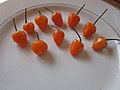 Kambuzi Chili Pepper

