Anti-tobacco movement in Nazi Germany: Difference between revisions
CSV import |
CSV import |
||
| Line 23: | Line 23: | ||
[[Category:Tobacco control]] | [[Category:Tobacco control]] | ||
{{History-stub}} | {{History-stub}} | ||
<gallery> | |||
File:German anti-smoking ad.jpeg|Anti-tobacco movement in Nazi Germany | |||
File:Pariert (1898).JPG|Anti-tobacco movement in Nazi Germany | |||
File:Bundesarchiv Bild 183-S33882, Adolf Hitler retouched.jpg|Anti-tobacco movement in Nazi Germany | |||
File:SA Sturm Cigarette Company ad.jpg|Anti-tobacco movement in Nazi Germany | |||
File:AntiSmokingNaziGermany.jpg|Anti-tobacco movement in Nazi Germany | |||
File:Bundesarchiv Bild 101I-712-0491-26, Leutnant der Division "Großdeutschland", rauchend.jpg|Anti-tobacco movement in Nazi Germany | |||
File:Bundesarchiv Bild 183-B00548, Berlin, PK-Führer bei Joseph Goebbels.jpg|Anti-tobacco movement in Nazi Germany | |||
File:Belogorsk, synagogue.jpg|Anti-tobacco movement in Nazi Germany | |||
File:Kleuter viert de bevrijding met een sigaret - Little boy celebrates liberation with a cigarette (4502034465).jpg|Anti-tobacco movement in Nazi Germany | |||
</gallery> | |||
Latest revision as of 01:43, 20 February 2025
Anti-tobacco movement in Nazi Germany refers to the campaign against tobacco consumption that was among the most comprehensive and effective in history, initiated and led by the Nazi Party during its regime from 1933 to 1945. This movement was part of a broader public health campaign that also targeted other aspects such as alcohol consumption and dietary regulations, but the anti-tobacco efforts were particularly notable for their intensity and the range of measures implemented.
Background[edit]
The anti-tobacco sentiment in Germany predates the Nazi regime, with early campaigns advocating for tobacco cessation emerging in the late 19th and early 20th centuries. However, it was under the Hitler administration that these efforts were significantly amplified. Adolf Hitler, who was a non-smoker himself and considered tobacco a threat to the health of the "Aryan" race, supported and propelled the anti-tobacco movement.
Measures and Policies[edit]
The Nazi government implemented a series of measures aimed at reducing tobacco consumption among Germans. These included:
- Public Campaigns: Extensive public health campaigns were launched to educate the populace about the dangers of smoking. These campaigns utilized posters, lectures, and propaganda films to convey their message.
- Research: The regime funded scientific research to investigate the health effects of tobacco use. Notably, German scientists during this period were among the first to establish a link between smoking and lung cancer.
- Restrictions on Advertising: Strict regulations were placed on tobacco advertising. Advertisements were banned from featuring women, and later, all tobacco advertising was prohibited in certain venues.
- Smoking Bans: Smoking was banned in many public spaces, including schools, universities, military facilities, and party offices. The Reich Health Office also pushed for smoking bans in restaurants and cafes.
- Economic Measures: High taxes were levied on tobacco products, and the government took control of the tobacco industry to further control tobacco distribution and consumption.
Impact[edit]
The anti-tobacco movement in Nazi Germany led to a noticeable decline in tobacco consumption during the regime's tenure. The comprehensive nature of the campaign, encompassing education, legislation, and research, set a precedent for public health initiatives. However, the movement's association with the Nazi regime has complicated its legacy, with some of its findings and methods subject to scrutiny and debate.
Legacy[edit]
After the fall of the Nazi regime, the anti-tobacco movement lost its momentum in Germany, and it would take several decades before the global community began to recognize and act upon the health risks associated with tobacco use. The Nazi anti-tobacco campaign remains a controversial chapter in the history of public health, illustrating the complex interplay between health initiatives and political ideologies.

-
Anti-tobacco movement in Nazi Germany
-
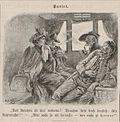 Anti-tobacco movement in Nazi Germany
 -
 Anti-tobacco movement in Nazi Germany
 -
Anti-tobacco movement in Nazi Germany
-
Anti-tobacco movement in Nazi Germany
-
 Anti-tobacco movement in Nazi Germany
 -
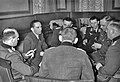 Anti-tobacco movement in Nazi Germany
 -
 Anti-tobacco movement in Nazi Germany
 -
 Anti-tobacco movement in Nazi Germany
.JPG)


.jpg)


