Phosphate diabetes: Difference between revisions
CSV import |
CSV import Tags: mobile edit mobile web edit |
||
| Line 29: | Line 29: | ||
{{Medicine-stub}} | {{Medicine-stub}} | ||
<gallery> | |||
File:X-linked_dominant.svg|X-linked dominant inheritance pattern | |||
File:Cranialsynostosis.jpg|Craniosynostosis | |||
File:XrayRicketsLegssmall.jpg|X-ray of rickets in legs | |||
File:Kyphoscoliosis_hereditary_sensory_autonomic_neuropathy_III.jpg|Kyphoscoliosis in hereditary sensory autonomic neuropathy type III | |||
File:Protein_FGF23_PDB_2p39.png|Protein FGF23 structure | |||
</gallery> | |||
Revision as of 04:59, 18 February 2025
Phosphate Diabetes is a rare medical condition characterized by the inability of the kidneys to properly reabsorb phosphate, leading to hypophosphatemia (low levels of phosphate in the blood). This condition is also known as phosphaturic diabetes or renal phosphate wasting. Phosphate, a mineral, plays a crucial role in bone formation, energy storage and release, and the formation of cell membranes. Therefore, phosphate diabetes can have significant implications for bone health and energy metabolism.
Causes
Phosphate diabetes is often caused by certain genetic mutations or conditions that affect the kidneys' ability to reabsorb phosphate. These can include hereditary disorders such as X-linked Hypophosphatemia (XLH) and autosomal dominant hypophosphatemic rickets (ADHR). Tumor-induced osteomalacia, a rare condition in which tumors produce substances that interfere with phosphate reabsorption, can also lead to phosphate diabetes.
Symptoms
The primary symptom of phosphate diabetes is Hypophosphatemia, which can lead to a range of complications due to the essential role of phosphate in the body. Symptoms and complications may include:
- Weakness and fatigue
- Bone pain and fractures
- Rickets in children and osteomalacia in adults
- Muscle weakness
- Dental problems
Diagnosis
Diagnosis of phosphate diabetes involves a combination of blood tests to measure phosphate levels, along with tests to assess kidney function and the presence of genetic mutations. Imaging studies may also be conducted to identify bone abnormalities or tumors.
Treatment
Treatment for phosphate diabetes focuses on correcting the hypophosphatemia and addressing its underlying causes. This may involve:
- Phosphate supplements
- Vitamin D supplements
- Treatment of underlying conditions or removal of tumors causing the condition
Prognosis
The prognosis for individuals with phosphate diabetes varies depending on the underlying cause and the severity of the condition. With appropriate treatment, symptoms can often be managed effectively, improving quality of life.

-
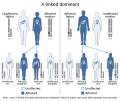 X-linked dominant inheritance pattern
 -
 Craniosynostosis
 -
 X-ray of rickets in legs
 -
 Kyphoscoliosis in hereditary sensory autonomic neuropathy type III
 -
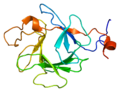 Protein FGF23 structure


