Deer tick virus: Difference between revisions
CSV import Tags: mobile edit mobile web edit |
CSV import |
||
| Line 17: | Line 17: | ||
[[Category:Zoonoses]] | [[Category:Zoonoses]] | ||
{{medicine-stub}} | {{medicine-stub}} | ||
<gallery> | |||
File:Deer_tick_virus.jpg|Deer tick virus | |||
File:Tick-borne_encephalitis_phylogram_simplified.gif|Tick-borne encephalitis phylogram simplified | |||
</gallery> | |||
Revision as of 01:56, 18 February 2025
Deer Tick Virus (DTV), also known as Powassan virus subtype 2, is a tick-borne encephalitis virus that belongs to the Flaviviridae family and the Flavivirus genus. It is primarily transmitted to humans through the bite of an infected Ixodes scapularis tick, commonly known as the black-legged tick or deer tick. DTV is a significant public health concern due to its potential to cause severe neurological diseases, including encephalitis and meningitis.
Transmission and Epidemiology
DTV is found predominantly in North America, with cases reported in the United States and Canada. The virus is maintained in a cycle between ticks and small-to-medium-sized mammals, such as rodents. Humans can become incidental hosts when bitten by an infected tick. Unlike other tick-borne diseases, DTV can be transmitted very quickly after tick attachment, sometimes within minutes, making prompt tick removal crucial to preventing infection.
Clinical Presentation
The incubation period for DTV ranges from one week to one month after the tick bite. Initial symptoms are often flu-like, including fever, headache, vomiting, and weakness. As the disease progresses, neurological symptoms may develop, such as confusion, loss of coordination, difficulty speaking, and seizures. Severe cases can lead to encephalitis, meningitis, and even death. There is currently no specific treatment for DTV infection; care is supportive and focuses on managing symptoms.
Prevention
Preventive measures against DTV include avoiding tick-infested areas, using insect repellents, wearing protective clothing, and performing thorough tick checks after spending time outdoors. Since there is no vaccine available for DTV, prevention of tick bites is the most effective strategy to reduce the risk of infection.
Research and Future Directions
Research on DTV is ongoing, with studies focusing on understanding the virus's epidemiology, transmission dynamics, and potential therapeutic interventions. Efforts are also being made to develop vaccines and improve diagnostic tests, which are crucial for early detection and management of the disease.

-
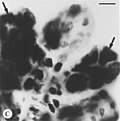 Deer tick virus
 -
Tick-borne encephalitis phylogram simplified


