Side strain: Difference between revisions
CSV import |
CSV import |
||
| Line 34: | Line 34: | ||
[[Category:Musculoskeletal disorders]] | [[Category:Musculoskeletal disorders]] | ||
{{medicine-stub}} | {{medicine-stub}} | ||
== Side strain == | |||
<gallery> | |||
File:Gray401.png|Side strain | |||
</gallery> | |||
Latest revision as of 01:36, 20 February 2025
Side strain is a common injury affecting individuals, particularly athletes involved in sports that require sudden twists or side bending movements. This condition is characterized by pain in the side of the torso, specifically in the muscles that run along the ribs. Understanding the causes, symptoms, treatment, and prevention of side strain is crucial for those at risk of this injury.
Causes[edit]
Side strain typically occurs due to a tear or strain in the internal oblique muscle, part of the abdominal muscles that assist in the bending and twisting of the torso. This injury is often seen in athletes who participate in sports such as cricket, tennis, and golf, where the action of swinging can put excessive force on the side muscles. Other causes include sudden movements without proper warm-up, overuse of the muscles, and direct trauma to the area.
Symptoms[edit]
The primary symptom of a side strain is a sharp, sudden pain in the side of the abdomen, which can extend to the lower ribs. Other symptoms may include:
- Difficulty in twisting the torso or bending
- Swelling or bruising in the affected area
- Tenderness when touching the injured side
- Muscle spasms
Diagnosis[edit]
Diagnosis of a side strain involves a physical examination by a healthcare professional, who will assess the pain and check for any signs of muscle damage. In some cases, imaging tests such as an MRI scan or an ultrasound may be recommended to determine the extent of the injury and to rule out other conditions.
Treatment[edit]
The initial treatment for a side strain is rest, allowing the injured muscle to heal. Other treatment options include:
- Ice packs applied to the affected area to reduce swelling
- Pain medication to manage pain
- Physical therapy to strengthen the surrounding muscles and improve flexibility
- In severe cases, surgery may be required to repair the damaged muscle
Prevention[edit]
Preventing a side strain involves taking precautions during physical activities, especially those known to put stress on the side muscles. Some preventive measures include:
- Proper warm-up exercises before engaging in sports or physical activities
- Strengthening exercises for the abdominal and side muscles
- Using correct techniques and equipment during sports and exercises
- Gradually increasing the intensity of physical activities to avoid overuse of muscles
Conclusion[edit]
Side strain is a painful condition that can significantly impact an individual's ability to perform daily activities and participate in sports. Early diagnosis and appropriate treatment are essential for a quick recovery. With proper preventive measures, the risk of experiencing a side strain can be minimized.

Side strain[edit]
-
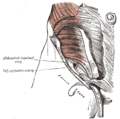 Side strain

