Ovarian squamous cell carcinoma: Difference between revisions
CSV import |
CSV import |
||
| Line 32: | Line 32: | ||
{{Oncology-stub}} | {{Oncology-stub}} | ||
{{Gynecology-stub}} | {{Gynecology-stub}} | ||
== Ovarian_squamous_cell_carcinoma == | |||
<gallery> | |||
File:Squamous_Ovarian_Cell_Carcinoma.png|Squamous Ovarian Cell Carcinoma | |||
File:Meiosis_Overview_new.svg|Meiosis Overview | |||
File:BT_ultrasound.jpg|Ultrasound Image | |||
File:Ovarian_Squamous_Carcinoma_Tumor.jpg|Ovarian Squamous Carcinoma Tumor | |||
File:Squamous_Ovarian_Cell_Carcinoma.png|Squamous Ovarian Cell Carcinoma | |||
File:Overall_survival_of_treatments_for_Ovarian_Squamous_Cell_Carcinoma.png|Overall Survival of Treatments for Ovarian Squamous Cell Carcinoma | |||
</gallery> | |||
Revision as of 11:26, 18 February 2025
Ovarian squamous cell carcinoma is a rare subtype of ovarian cancer that originates from the squamous cells found in the ovary. It is a highly aggressive malignancy that is often diagnosed at an advanced stage.
Etiology
The exact cause of ovarian squamous cell carcinoma is unknown. However, it is believed to be associated with dermoid cysts, which are benign tumors that contain squamous cells. In rare cases, these cells can undergo malignant transformation and develop into ovarian squamous cell carcinoma.
Symptoms
The symptoms of ovarian squamous cell carcinoma are similar to those of other types of ovarian cancer. They may include abdominal pain or bloating, changes in bowel habits, and unexplained weight loss. However, due to the aggressive nature of this cancer, symptoms may be more severe and progress rapidly.
Diagnosis
Diagnosis of ovarian squamous cell carcinoma is often made through a combination of physical examination, imaging studies such as ultrasound or CT scan, and biopsy. The definitive diagnosis is made by histopathological examination of the biopsy specimen, which shows the presence of squamous cells.
Treatment
Treatment for ovarian squamous cell carcinoma typically involves surgery to remove the tumor, followed by chemotherapy. The choice of chemotherapy drugs is usually based on the specific characteristics of the tumor and the patient's overall health status.
Prognosis
The prognosis for ovarian squamous cell carcinoma is generally poor, due to the aggressive nature of the disease and the fact that it is often diagnosed at an advanced stage. However, survival rates can vary widely, depending on factors such as the patient's age, overall health, and response to treatment.
See also

This gynecology related article is a stub. You can help WikiMD by expanding it.
Ovarian_squamous_cell_carcinoma
-
 Squamous Ovarian Cell Carcinoma
 -
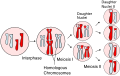 Meiosis Overview
 -
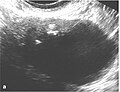 Ultrasound Image
 -
 Ovarian Squamous Carcinoma Tumor
 -
Squamous Ovarian Cell Carcinoma
-
 Overall Survival of Treatments for Ovarian Squamous Cell Carcinoma


