Peri-implantitis: Difference between revisions
CSV import |
CSV import |
||
| Line 25: | Line 25: | ||
{{Dentistry-stub}} | {{Dentistry-stub}} | ||
{{Medicine-stub}} | {{Medicine-stub}} | ||
== Peri-implantitis == | |||
<gallery> | |||
File:Periimplantitis_progression_over_5_years_in_heavy_smoker.gif|Periimplantitis progression over 5 years in heavy smoker | |||
</gallery> | |||
Revision as of 02:07, 17 February 2025
Peri-implantitis is a dental disease that affects the tissues surrounding a dental implant. It is characterized by inflammation of the gum tissue and loss of bone structure around the implant. This condition is often caused by a bacterial infection and can lead to implant failure if not treated promptly and effectively.
Causes
The primary cause of peri-implantitis is bacterial infection. The bacteria can accumulate on the surface of the implant, leading to inflammation and eventual bone loss. Other factors that can contribute to the development of peri-implantitis include poor oral hygiene, smoking, and systemic diseases such as diabetes.
Symptoms
The symptoms of peri-implantitis can vary, but often include redness and swelling of the gum tissue around the implant, bleeding on probing, and increased probing depth. In more advanced cases, there may be pus formation and loss of the implant.
Diagnosis
Diagnosis of peri-implantitis is typically made through a combination of clinical examination and radiographic imaging. The dentist may use a periodontal probe to measure the depth of the pockets around the implant, and x-rays may be taken to assess the amount of bone loss.
Treatment
Treatment of peri-implantitis involves removing the bacterial infection and promoting healing of the surrounding tissues. This can be achieved through a combination of non-surgical treatments such as oral hygiene instructions and antimicrobial mouth rinses, and surgical treatments such as debridement and bone grafting.
Prevention
Prevention of peri-implantitis is primarily achieved through good oral hygiene practices, including regular brushing and flossing, and regular dental check-ups. It is also important to avoid risk factors such as smoking and uncontrolled diabetes.
See also


Peri-implantitis
-
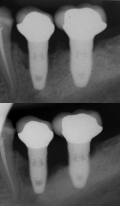 Periimplantitis progression over 5 years in heavy smoker

