Phenaglycodol: Difference between revisions
CSV import |
CSV import |
||
| Line 26: | Line 26: | ||
{{Pharmacology-stub}} | {{Pharmacology-stub}} | ||
{{Medicine-stub}} | {{Medicine-stub}} | ||
<gallery> | |||
File:Phenaglycodol.svg|Phenaglycodol | |||
File:Phenaglycodol_synthesis.svg|Phenaglycodol synthesis | |||
File:Phenaglycodol_synthesis2.svg|Phenaglycodol synthesis 2 | |||
</gallery> | |||
Latest revision as of 01:27, 18 February 2025
Phenaglycodol is a drug that belongs to the class of sedatives. It is primarily used to treat conditions such as anxiety and tension. Phenaglycodol is known for its calming effects and is often prescribed to patients suffering from insomnia or other sleep disorders.
Pharmacology[edit]
Phenaglycodol works by slowing down the activity of the brain and the central nervous system. This results in a decrease in nervous tension and anxiety, promoting relaxation and sleep. The exact mechanism of action of Phenaglycodol is not fully understood, but it is believed to interact with GABA receptors in the brain, enhancing the effects of the neurotransmitter GABA, which is known for its inhibitory effects on the nervous system.
Uses[edit]
Phenaglycodol is primarily used to treat anxiety disorders and insomnia. It may also be used to treat other conditions as determined by a healthcare provider. It is important to note that Phenaglycodol should only be used under the supervision of a healthcare provider, as misuse can lead to dependence and other serious side effects.
Side Effects[edit]
Like all drugs, Phenaglycodol can cause side effects. Common side effects include drowsiness, dizziness, and dry mouth. More serious side effects can include confusion, hallucinations, and severe drowsiness. If any of these side effects occur, it is important to seek medical attention immediately.
Precautions[edit]
Before taking Phenaglycodol, it is important to inform your healthcare provider if you have any allergies, are taking any other medications, or have any other medical conditions. Phenaglycodol should not be used during pregnancy or breastfeeding without the advice of a healthcare provider.
See Also[edit]


-
 Phenaglycodol
 -
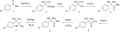 Phenaglycodol synthesis
 -
 Phenaglycodol synthesis 2


