Argyreia: Difference between revisions
CSV import |
CSV import |
||
| Line 1: | Line 1: | ||
==Aphanizomenon flos-aquae== | |||
'''Aphanizomenon flos-aquae''' is a species of cyanobacteria that is commonly found in freshwater environments. It is known for forming dense blooms that can have significant ecological and health impacts. This species is part of the [[Aphanizomenon]] genus, which includes several other species of cyanobacteria. | |||
== | ===Description=== | ||
Aphanizomenon flos-aquae is characterized by its filamentous structure, forming long chains of cells that can aggregate into colonies. These colonies are often visible to the naked eye and can appear as blue-green scums on the surface of water bodies. The cells contain gas vesicles that allow them to regulate their buoyancy and position in the water column, optimizing their exposure to light for photosynthesis. | |||
== | ===Habitat=== | ||
This cyanobacterium is typically found in nutrient-rich freshwater lakes and ponds. It thrives in conditions where there is an abundance of [[nitrogen]] and [[phosphorus]], often as a result of agricultural runoff or other forms of [[eutrophication]]. Aphanizomenon flos-aquae can tolerate a wide range of temperatures and light conditions, which contributes to its ability to form blooms in various environments. | |||
== | ===Ecological Impact=== | ||
Blooms of Aphanizomenon flos-aquae can have significant ecological impacts. They can reduce the levels of dissolved oxygen in the water, leading to hypoxic conditions that are harmful to aquatic life. Additionally, these blooms can block sunlight from reaching submerged vegetation, disrupting the aquatic ecosystem. | |||
== | ===Health Concerns=== | ||
Aphanizomenon flos-aquae is known to produce toxins, including [[neurotoxins]] and [[hepatotoxins]], which can pose health risks to humans and animals. Exposure to these toxins can occur through direct contact with contaminated water, ingestion of contaminated fish or shellfish, or inhalation of aerosols. Symptoms of exposure can include skin irritation, gastrointestinal distress, and in severe cases, liver damage or neurological effects. | |||
== | ===Uses=== | ||
Despite the potential health risks, Aphanizomenon flos-aquae is harvested and used as a dietary supplement. It is marketed for its purported health benefits, including boosting the immune system and providing a source of [[vitamins]] and [[minerals]]. However, the safety and efficacy of these supplements are subjects of ongoing research and debate. | |||
[[ | ==Related pages== | ||
[[ | * [[Cyanobacteria]] | ||
[[ | * [[Eutrophication]] | ||
[[ | * [[Harmful algal bloom]] | ||
* [[Water pollution]] | |||
==Gallery== | |||
<gallery> | |||
File:Aphanizomenon_colony_fluorescence_microscopy.jpg|Aphanizomenon colony under fluorescence microscopy | |||
File:Simplefilaments022_Aphanizomenon.jpg|Simple filaments of Aphanizomenon | |||
File:Aphanizomenon_Bloom_Upper_Klamath_Lake_USGS.jpg|Aphanizomenon bloom in Upper Klamath Lake | |||
File:Toxic_Bloom.jpg|Toxic bloom of cyanobacteria | |||
</gallery> | |||
[[Category:Cyanobacteria]] | |||
[[Category:Freshwater algae]] | |||
[[Category:Water pollution]] | |||
Revision as of 19:02, 11 February 2025
Aphanizomenon flos-aquae
Aphanizomenon flos-aquae is a species of cyanobacteria that is commonly found in freshwater environments. It is known for forming dense blooms that can have significant ecological and health impacts. This species is part of the Aphanizomenon genus, which includes several other species of cyanobacteria.
Description
Aphanizomenon flos-aquae is characterized by its filamentous structure, forming long chains of cells that can aggregate into colonies. These colonies are often visible to the naked eye and can appear as blue-green scums on the surface of water bodies. The cells contain gas vesicles that allow them to regulate their buoyancy and position in the water column, optimizing their exposure to light for photosynthesis.
Habitat
This cyanobacterium is typically found in nutrient-rich freshwater lakes and ponds. It thrives in conditions where there is an abundance of nitrogen and phosphorus, often as a result of agricultural runoff or other forms of eutrophication. Aphanizomenon flos-aquae can tolerate a wide range of temperatures and light conditions, which contributes to its ability to form blooms in various environments.
Ecological Impact
Blooms of Aphanizomenon flos-aquae can have significant ecological impacts. They can reduce the levels of dissolved oxygen in the water, leading to hypoxic conditions that are harmful to aquatic life. Additionally, these blooms can block sunlight from reaching submerged vegetation, disrupting the aquatic ecosystem.
Health Concerns
Aphanizomenon flos-aquae is known to produce toxins, including neurotoxins and hepatotoxins, which can pose health risks to humans and animals. Exposure to these toxins can occur through direct contact with contaminated water, ingestion of contaminated fish or shellfish, or inhalation of aerosols. Symptoms of exposure can include skin irritation, gastrointestinal distress, and in severe cases, liver damage or neurological effects.
Uses
Despite the potential health risks, Aphanizomenon flos-aquae is harvested and used as a dietary supplement. It is marketed for its purported health benefits, including boosting the immune system and providing a source of vitamins and minerals. However, the safety and efficacy of these supplements are subjects of ongoing research and debate.
Related pages
Gallery
-
 Aphanizomenon colony under fluorescence microscopy
 -
 Simple filaments of Aphanizomenon
 -
 Aphanizomenon bloom in Upper Klamath Lake
 -
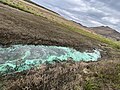 Toxic bloom of cyanobacteria


