Tyrosinase: Difference between revisions
CSV import |
CSV import |
||
| Line 1: | Line 1: | ||
'''Tyrosinase''' is an | == Tyrosinase == | ||
'''Tyrosinase''' is an enzyme that is involved in the production of melanin and other pigments from [[tyrosine]] by oxidation. It is a copper-containing enzyme found in plants, animals, and fungi, and is responsible for browning in damaged fruits and vegetables. | |||
== Structure == | |||
Tyrosinase is a type 3 copper protein, meaning it contains two copper ions that are coordinated by histidine residues. The enzyme is typically a monomer, but can also form dimers or higher oligomers. The active site of tyrosinase is highly conserved across different species. | |||
== Function == | == Function == | ||
Tyrosinase | Tyrosinase catalyzes the oxidation of phenols such as tyrosine to quinones, which are precursors to melanin. The enzyme has two main activities: the hydroxylation of monophenols (monophenolase activity) and the oxidation of o-diphenols to o-quinones (diphenolase activity). | ||
== | == Biological Role == | ||
In humans, tyrosinase is crucial for the production of melanin, which determines the color of skin, hair, and eyes. Mutations in the tyrosinase gene can lead to conditions such as [[albinism]], where melanin production is impaired. | |||
== | == Industrial and Medical Applications == | ||
Tyrosinase is used in various industrial applications, including the development of biosensors and in the food industry to prevent browning. In medicine, tyrosinase inhibitors are being researched for their potential in treating hyperpigmentation disorders. | |||
== Related Enzymes == | |||
Tyrosinase is part of the [[polyphenol oxidase]] family, which also includes catechol oxidase and laccase. These enzymes share similar substrates and mechanisms but differ in their specific activities and roles. | |||
== | == Related Pages == | ||
* [[Melanin]] | * [[Melanin]] | ||
* [[ | * [[Albinism]] | ||
* [[ | * [[Polyphenol oxidase]] | ||
== References == | == References == | ||
< | * Solomon, E. I., Sundaram, U. M., & Machonkin, T. E. (1996). Multicopper oxidases and oxygenases. Chemical Reviews, 96(7), 2563-2605. | ||
* Hearing, V. J. (2011). Determination of melanin synthetic pathways. Journal of Investigative Dermatology, 131(E1), E8-E11. | |||
== Gallery == | |||
<gallery> | |||
File:PPO_figure.jpeg|Diagram of polyphenol oxidase activity. | |||
File:Catechol-Quinone.svg|Chemical structure of catechol and quinone. | |||
File:PDB_1js8_EBI.jpg|Crystal structure of tyrosinase. | |||
File:Protein_nucleotides.png|Representation of protein and nucleotide interaction. | |||
File:Mason_raper_pathway.png|Mason-Raper pathway of melanin synthesis. | |||
File:Tyrosinase_phylogeny.png|Phylogenetic tree of tyrosinase. | |||
File:Drawing_of_ORF_with_mutations_updated.png|Open reading frame with mutations. | |||
File:Substituted_amino_acids_of_tyrosinase_in_albino_frogs.png|Substituted amino acids in albino frogs. | |||
File:Tyrosinase_Human_Exon-Intron_Representation.png|Exon-intron structure of human tyrosinase. | |||
File:Consurf_tyrosinase_protein.png|ConSurf analysis of tyrosinase protein. | |||
</gallery> | |||
[[Category:Enzymes]] | [[Category:Enzymes]] | ||
[[Category:Oxidoreductases]] | |||
Revision as of 00:35, 10 February 2025
Tyrosinase
Tyrosinase is an enzyme that is involved in the production of melanin and other pigments from tyrosine by oxidation. It is a copper-containing enzyme found in plants, animals, and fungi, and is responsible for browning in damaged fruits and vegetables.
Structure
Tyrosinase is a type 3 copper protein, meaning it contains two copper ions that are coordinated by histidine residues. The enzyme is typically a monomer, but can also form dimers or higher oligomers. The active site of tyrosinase is highly conserved across different species.
Function
Tyrosinase catalyzes the oxidation of phenols such as tyrosine to quinones, which are precursors to melanin. The enzyme has two main activities: the hydroxylation of monophenols (monophenolase activity) and the oxidation of o-diphenols to o-quinones (diphenolase activity).
Biological Role
In humans, tyrosinase is crucial for the production of melanin, which determines the color of skin, hair, and eyes. Mutations in the tyrosinase gene can lead to conditions such as albinism, where melanin production is impaired.
Industrial and Medical Applications
Tyrosinase is used in various industrial applications, including the development of biosensors and in the food industry to prevent browning. In medicine, tyrosinase inhibitors are being researched for their potential in treating hyperpigmentation disorders.
Related Enzymes
Tyrosinase is part of the polyphenol oxidase family, which also includes catechol oxidase and laccase. These enzymes share similar substrates and mechanisms but differ in their specific activities and roles.
Related Pages
References
- Solomon, E. I., Sundaram, U. M., & Machonkin, T. E. (1996). Multicopper oxidases and oxygenases. Chemical Reviews, 96(7), 2563-2605.
- Hearing, V. J. (2011). Determination of melanin synthetic pathways. Journal of Investigative Dermatology, 131(E1), E8-E11.
Gallery
-
 Diagram of polyphenol oxidase activity.
 -
 Chemical structure of catechol and quinone.
 -
 Crystal structure of tyrosinase.
 -
 Representation of protein and nucleotide interaction.
 -
 Mason-Raper pathway of melanin synthesis.
 -
 Phylogenetic tree of tyrosinase.
 -
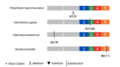 Open reading frame with mutations.
 -
 Substituted amino acids in albino frogs.
 -
 Exon-intron structure of human tyrosinase.
 -
 ConSurf analysis of tyrosinase protein.


