Hempcrete: Difference between revisions
CSV import |
CSV import |
||
| Line 29: | Line 29: | ||
{{construction-material-stub}} | {{construction-material-stub}} | ||
== Hempcrete == | |||
<gallery> | |||
File:Bloc_de_chanvre_ep_15cm.gif|Bloc de chanvre épaisseur 15cm | |||
File:Frisch_gemischter_Hanfkalk.jpg|Freshly mixed hempcrete | |||
File:Mauer_66.jpg|Hempcrete wall | |||
File:Hanfkalk_Struktur_11.png|Hempcrete structure | |||
</gallery> | |||
Latest revision as of 20:54, 23 February 2025
Hempcrete is a bio-composite material that combines the inner woody fibers of the hemp plant with a lime-based binder to create a material with excellent thermal and acoustic properties. It is used in construction as an insulating material and has a lower environmental impact compared to traditional concrete. Hempcrete is known for its sustainability, durability, and moisture-regulating properties, making it an increasingly popular choice in green building practices.
Composition and Properties[edit]
Hempcrete is made by mixing the woody core of the hemp plant, known as hemp shiv or hurd, with a lime-based binder and water. The lime acts as a chemical activator to the hemp hurds and together they petrify, creating a lightweight, cement-like material. The ratio of hemp to lime and water can vary, but the typical mixture is around one part hemp hurds to two parts lime binder by volume.
The material has several notable properties:
- Thermal Insulation: Hempcrete has excellent thermal insulation properties, helping to reduce heating and cooling costs in buildings.
- Moisture Regulation: It is breathable and can absorb and release moisture, regulating humidity inside the building and contributing to a comfortable indoor environment.
- Carbon Sequestration: Hempcrete captures carbon dioxide (CO2) during the hemp plant's growth and the curing process of lime, making it a carbon-negative material.
- Fire Resistance: The lime binder makes hempcrete inherently fire-resistant.
- Pest Resistance: Hempcrete is resistant to rodents, termites, and other pests.
- Durability: It is a durable material that can last for hundreds of years, with some suggesting it increases in strength over time due to the continuing petrification of the lime.
Applications[edit]
Hempcrete can be used in a variety of construction applications, including walls, flooring, and roofing. It is typically used as an insulating infill between structural frames, though it can also be used to create monolithic walls. Due to its lightweight nature, it is not considered a structural element in building construction but rather a complementary material.
Environmental Impact[edit]
The environmental benefits of hempcrete are significant. The cultivation of hemp requires minimal pesticides and fertilizers, and the material's production has a lower energy footprint compared to traditional concrete. Additionally, hempcrete's carbon sequestration capabilities contribute to the reduction of greenhouse gas emissions, making it a sustainable choice for eco-friendly construction projects.
Challenges and Limitations[edit]
While hempcrete offers many advantages, there are challenges to its widespread adoption. These include the variability in hemp hurd quality, the need for skilled labor in its application, and regulatory hurdles related to the cultivation of hemp in some regions. Furthermore, the initial cost can be higher than traditional materials, though this is often offset by long-term energy savings.
Future Prospects[edit]
As the construction industry continues to seek sustainable and eco-friendly materials, the interest in hempcrete is expected to grow. Research and development are ongoing to improve the material's properties and to streamline its production process. With increasing awareness of its benefits and further regulatory support for hemp cultivation, hempcrete could play a significant role in the future of sustainable construction.
This construction material related article is a stub. You can help WikiMD by expanding it.
Hempcrete[edit]
-
 Bloc de chanvre épaisseur 15cm
 -
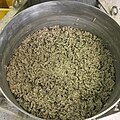 Freshly mixed hempcrete
 -
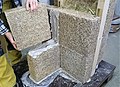 Hempcrete wall
 -
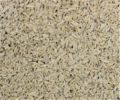 Hempcrete structure


