Ovine rinderpest: Difference between revisions
CSV import |
CSV import |
||
| Line 22: | Line 22: | ||
{{Virus-stub}} | {{Virus-stub}} | ||
<gallery> | |||
File:Oviete_pesse_otoschoûtaedje.jpg|Ovine rinderpest | |||
File:Pesse_bedots_mannixhaedje_dirî.jpg|Ovine rinderpest | |||
File:Pesse_bedots_tchamlou_dos1.jpg|Ovine rinderpest | |||
File:Oviete_pesse_efouwaedje_divins_lepes.jpg|Ovine rinderpest | |||
File:Pesse_berbis_efouwaedje_djincive_dints.jpg|Ovine rinderpest | |||
File:Pesse_bedots_souwêye_nåze.jpg|Ovine rinderpest | |||
File:Pesse_bedots_riwerixhaedje_crapes.jpg|Ovine rinderpest | |||
</gallery> | |||
Latest revision as of 11:32, 18 February 2025
Ovine Rinderpest, also known as Peste des Petits Ruminants (PPR), is a highly contagious viral disease affecting sheep and goats. First identified in the 1940s in Côte d'Ivoire, West Africa, the disease has since spread to many countries, posing significant threats to the livelihoods of small-scale farmers and the economy of affected regions. The causative agent of ovine rinderpest is the PPR virus (PPRV), which belongs to the genus Morbillivirus within the family Paramyxoviridae.
Symptoms and Diagnosis[edit]
The clinical signs of PPR can vary but typically include fever, erosive lesions in the mouth, diarrhea, nasal and ocular discharges, and pneumonia. The disease is particularly severe in young animals, with mortality rates reaching up to 90% in susceptible flocks. Diagnosis of PPR is based on clinical signs, epidemiological information, and laboratory tests, including virus isolation, enzyme-linked immunosorbent assay (ELISA), and polymerase chain reaction (PCR) for the detection of PPRV RNA.
Transmission and Spread[edit]
PPR is primarily spread through direct contact between infected and susceptible animals. The virus can also be transmitted via contaminated feed, water, and fomites. The movement of animals for trade or grazing purposes plays a significant role in the spread of the disease. Additionally, certain wildlife species have been identified as potential reservoirs of PPRV, complicating efforts to control the disease.
Prevention and Control[edit]
Control and prevention of PPR rely on a combination of vaccination, movement control, and improved biosecurity measures. Vaccination is the most effective tool for controlling PPR, with several vaccines available that provide immunity for at least three years. Movement controls, including quarantine and restrictions on animal trade, can help prevent the introduction and spread of PPRV. Improved biosecurity measures, such as disinfection and the use of personal protective equipment, can reduce the risk of virus transmission.
Economic and Social Impact[edit]
The economic losses due to PPR are substantial, resulting from the death of animals, reduced productivity, and the costs associated with control measures. The disease also has a significant social impact, particularly in rural areas where sheep and goats are important for the livelihoods of small-scale farmers. Efforts to control and eradicate PPR are therefore crucial for food security and poverty alleviation in affected regions.
Global Eradication Efforts[edit]
Recognizing the severe impact of PPR on animal health and livelihoods, international organizations, including the Food and Agriculture Organization (FAO) and the World Organisation for Animal Health (OIE), have launched initiatives aimed at eradicating PPR by 2030. These efforts include global vaccination campaigns, capacity building for surveillance and diagnostic testing, and international cooperation to control the spread of the disease.

-
 Ovine rinderpest
 -
 Ovine rinderpest
 -
 Ovine rinderpest
 -
 Ovine rinderpest
 -
 Ovine rinderpest
 -
 Ovine rinderpest
 -
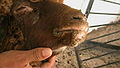 Ovine rinderpest


