Recreational dive sites: Difference between revisions
CSV import Tags: mobile edit mobile web edit |
CSV import |
||
| Line 26: | Line 26: | ||
[[Category:Underwater diving sites]] | [[Category:Underwater diving sites]] | ||
{{Scuba-diving-stub}} | {{Scuba-diving-stub}} | ||
<gallery> | |||
File:Coral - Marsa Alam, Egypt - August 12, 2011.jpg|Coral - Marsa Alam, Egypt - August 12, 2011 | |||
File:Coral reef locations.jpg|Coral reef locations | |||
File:SST 20131220 blended Global.png|SST 20131220 blended Global | |||
File:Raja Ampat fun dive.jpg|Raja Ampat fun dive | |||
File:Dive sites of Cape Town.png|Dive sites of Cape Town | |||
File:Marine Bioregions of the South African EEZ.png|Marine Bioregions of the South African EEZ | |||
File:Artificialreef.JPG|Artificial reef | |||
File:Wazee 007.jpg|Wazee 007 | |||
</gallery> | |||
Latest revision as of 05:02, 3 March 2025
Recreational dive sites are specific places that recreational scuba divers go to enjoy the underwater environment. They include underwater archaeological sites (such as shipwrecks), underwater caves, and natural reef formations.
Types of Recreational Dive Sites[edit]
Shipwrecks[edit]
Shipwrecks are one of the most popular types of recreational dive sites. They can be found in oceans, seas, and large lakes around the world. Some shipwrecks are historical artifacts, offering a glimpse into the past, while others are intentionally sunk to create artificial reefs.
Underwater Caves[edit]
Underwater caves are another type of recreational dive site. These caves can be found in both freshwater and saltwater environments. They offer a unique diving experience, but also require special training due to the potential hazards associated with cave diving.
Natural Reefs[edit]
Natural reefs are popular recreational dive sites due to their abundant marine life and beautiful coral formations. They can be found in tropical and subtropical waters around the world.
Safety Considerations[edit]
Safety is a primary concern when diving at recreational dive sites. Divers must be properly trained and equipped for the specific type of dive site they are visiting. This includes understanding the potential hazards associated with the site, such as strong currents, low visibility, or the presence of potentially dangerous marine life.
Environmental Impact[edit]
Recreational diving can have an impact on the environment, particularly on sensitive ecosystems like coral reefs. Divers are encouraged to follow best practices to minimize their impact, such as not touching or disturbing marine life and avoiding contact with the reef.
See Also[edit]
This scuba diving related article is a stub. You can help WikiMD by expanding it.
-
 Coral - Marsa Alam, Egypt - August 12, 2011
 -
 Coral reef locations
 -
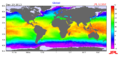 SST 20131220 blended Global
 -
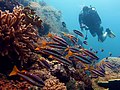 Raja Ampat fun dive
 -
Dive sites of Cape Town
-
Marine Bioregions of the South African EEZ
-
Artificial reef
-
Wazee 007


