Carnivorous fungus: Difference between revisions
CSV import |
CSV import Tags: mobile edit mobile web edit |
||
| (2 intermediate revisions by the same user not shown) | |||
| Line 1: | Line 1: | ||
'''Carnivorous | {{Short description|Fungi that derive some or most of their nutrients from trapping and consuming microscopic or other minute animals}} | ||
'''Carnivorous fungi''' are fungi that derive some or most of their nutrients from trapping and consuming microscopic or other minute animals. These fungi have developed specialized structures to capture and digest their prey, which typically includes [[nematodes]], [[amoebae]], and other small organisms. | |||
==Mechanisms of Carnivory== | |||
Carnivorous fungi employ a variety of mechanisms to capture their prey. These mechanisms can be broadly categorized into three types: adhesive traps, constricting rings, and toxins. | |||
== | ===Adhesive Traps=== | ||
Adhesive traps are sticky structures that ensnare prey upon contact. These traps can take the form of sticky nets, knobs, or branches. Once the prey is caught, the fungus secretes enzymes to digest it. | |||
===Constricting Rings=== | |||
Some carnivorous fungi use constricting rings to capture prey. These rings are initially open and close rapidly when triggered by the presence of a nematode. The constriction immobilizes the prey, allowing the fungus to invade and digest it. | |||
== | ===Toxins=== | ||
Certain fungi produce toxins that paralyze or kill their prey. These toxins are secreted into the surrounding environment, and once the prey is incapacitated, the fungus absorbs the nutrients. | |||
Carnivorous fungi | ==Ecological Role== | ||
Carnivorous fungi play a significant role in soil ecosystems. By preying on nematodes and other microorganisms, they help regulate populations of these organisms, contributing to the balance of the soil food web. This predatory activity can also influence nutrient cycling and soil health. | |||
== | ==Evolutionary Adaptations== | ||
The evolution of carnivory in fungi is believed to be a response to nutrient-poor environments where traditional sources of nutrients are scarce. The ability to capture and digest animal prey provides an alternative source of nitrogen and other essential nutrients. | |||
==Examples of Carnivorous Fungi== | |||
Several genera of fungi are known to exhibit carnivorous behavior. These include: | |||
* ''[[Arthrobotrys]]'' - Known for its adhesive networks and constricting rings. | |||
* ''[[Dactylellina]]'' - Utilizes adhesive knobs to capture prey. | |||
* ''[[Hohenbuehelia]]'' - Produces toxins to immobilize nematodes. | |||
==Related pages== | |||
* [[Fungus]] | * [[Fungus]] | ||
* [[ | * [[Nematode]] | ||
* [[ | * [[Predation]] | ||
* [[ | * [[Soil ecology]] | ||
[[Category:Carnivorous fungi]] | |||
[[Category:Carnivorous | [[Category:Fungal biology]] | ||
[[Category: | <gallery> | ||
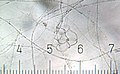
File:20100828_005957_Fungus.jpg|Fungus | |||
</gallery> | |||
Latest revision as of 00:37, 27 February 2025
Fungi that derive some or most of their nutrients from trapping and consuming microscopic or other minute animals
Carnivorous fungi are fungi that derive some or most of their nutrients from trapping and consuming microscopic or other minute animals. These fungi have developed specialized structures to capture and digest their prey, which typically includes nematodes, amoebae, and other small organisms.
Mechanisms of Carnivory[edit]
Carnivorous fungi employ a variety of mechanisms to capture their prey. These mechanisms can be broadly categorized into three types: adhesive traps, constricting rings, and toxins.
Adhesive Traps[edit]
Adhesive traps are sticky structures that ensnare prey upon contact. These traps can take the form of sticky nets, knobs, or branches. Once the prey is caught, the fungus secretes enzymes to digest it.
Constricting Rings[edit]
Some carnivorous fungi use constricting rings to capture prey. These rings are initially open and close rapidly when triggered by the presence of a nematode. The constriction immobilizes the prey, allowing the fungus to invade and digest it.
Toxins[edit]
Certain fungi produce toxins that paralyze or kill their prey. These toxins are secreted into the surrounding environment, and once the prey is incapacitated, the fungus absorbs the nutrients.
Ecological Role[edit]
Carnivorous fungi play a significant role in soil ecosystems. By preying on nematodes and other microorganisms, they help regulate populations of these organisms, contributing to the balance of the soil food web. This predatory activity can also influence nutrient cycling and soil health.
Evolutionary Adaptations[edit]
The evolution of carnivory in fungi is believed to be a response to nutrient-poor environments where traditional sources of nutrients are scarce. The ability to capture and digest animal prey provides an alternative source of nitrogen and other essential nutrients.
Examples of Carnivorous Fungi[edit]
Several genera of fungi are known to exhibit carnivorous behavior. These include:
- Arthrobotrys - Known for its adhesive networks and constricting rings.
- Dactylellina - Utilizes adhesive knobs to capture prey.
- Hohenbuehelia - Produces toxins to immobilize nematodes.
Related pages[edit]
-
 Fungus

