Duhat wine: Difference between revisions
CSV import Tags: mobile edit mobile web edit |
CSV import |
||
| (2 intermediate revisions by the same user not shown) | |||
| Line 1: | Line 1: | ||
{{DISPLAYTITLE:Duhat Wine}} | |||
== | ==Duhat Wine== | ||
Duhat wine is a type of fruit wine made from the [[duhat]] fruit, scientifically known as ''[[Syzygium cumini]]''. This fruit is native to the [[Philippines]] and other parts of [[Southeast Asia]]. The wine is known for its deep purple color and unique flavor profile, which is both sweet and slightly tart. | |||
== Production == | ==Production== | ||
The | The production of duhat wine involves several steps, starting with the harvesting of ripe duhat fruits. The fruits are then washed and crushed to extract the juice. This juice is fermented using [[yeast]] to convert the sugars into alcohol. The fermentation process can take several weeks, after which the wine is clarified and aged to develop its flavor. | ||
== | ===Fermentation=== | ||
During fermentation, the natural sugars in the duhat fruit are converted into alcohol by the action of yeast. This process is similar to the production of other fruit wines and requires careful monitoring of temperature and pH levels to ensure a successful fermentation. | |||
== | ===Aging=== | ||
After fermentation, duhat wine is typically aged for several months to enhance its flavor and aroma. The aging process allows the wine to develop a more complex taste and a smoother finish. | |||
== | ==Flavor Profile== | ||
Duhat wine is characterized by its rich, deep purple color and a flavor that combines sweetness with a hint of tartness. The wine often has notes of berries and plums, with a slightly astringent finish due to the tannins present in the fruit. | |||
== | ==Cultural Significance== | ||
In the Philippines, duhat wine is often enjoyed during special occasions and celebrations. It is considered a traditional beverage and is sometimes used in [[cooking]] to add flavor to dishes. | |||
[[ | ==Health Benefits== | ||
[[Category:Philippine | Duhat fruit is known for its high [[antioxidant]] content, and these benefits are retained in the wine. Consuming duhat wine in moderation may offer some health benefits, such as improved cardiovascular health and reduced inflammation. | ||
[[Category:Fruit | |||
==Related pages== | |||
* [[Fruit wine]] | |||
* [[Syzygium cumini]] | |||
* [[Philippine cuisine]] | |||
[[Category:Philippine wines]] | |||
[[Category:Fruit wines]] | |||
<gallery> | |||
File:9506aSyzygium_cumini_Plumfvf_06.jpg|Duhat wine | |||
</gallery> | |||
Latest revision as of 21:30, 20 February 2025
Duhat Wine[edit]
Duhat wine is a type of fruit wine made from the duhat fruit, scientifically known as Syzygium cumini. This fruit is native to the Philippines and other parts of Southeast Asia. The wine is known for its deep purple color and unique flavor profile, which is both sweet and slightly tart.
Production[edit]
The production of duhat wine involves several steps, starting with the harvesting of ripe duhat fruits. The fruits are then washed and crushed to extract the juice. This juice is fermented using yeast to convert the sugars into alcohol. The fermentation process can take several weeks, after which the wine is clarified and aged to develop its flavor.
Fermentation[edit]
During fermentation, the natural sugars in the duhat fruit are converted into alcohol by the action of yeast. This process is similar to the production of other fruit wines and requires careful monitoring of temperature and pH levels to ensure a successful fermentation.
Aging[edit]
After fermentation, duhat wine is typically aged for several months to enhance its flavor and aroma. The aging process allows the wine to develop a more complex taste and a smoother finish.
Flavor Profile[edit]
Duhat wine is characterized by its rich, deep purple color and a flavor that combines sweetness with a hint of tartness. The wine often has notes of berries and plums, with a slightly astringent finish due to the tannins present in the fruit.
Cultural Significance[edit]
In the Philippines, duhat wine is often enjoyed during special occasions and celebrations. It is considered a traditional beverage and is sometimes used in cooking to add flavor to dishes.
Health Benefits[edit]
Duhat fruit is known for its high antioxidant content, and these benefits are retained in the wine. Consuming duhat wine in moderation may offer some health benefits, such as improved cardiovascular health and reduced inflammation.
Related pages[edit]
-
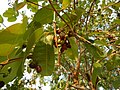 Duhat wine

