Seafood in Australia: Difference between revisions
CSV import |
CSV import |
||
| Line 49: | Line 49: | ||
[[Category:Australian cuisine]] | [[Category:Australian cuisine]] | ||
[[Category:Fishing in Australia]] | [[Category:Fishing in Australia]] | ||
<gallery> | |||
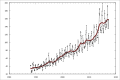
File:ABS-5368.0-InternationalTradeInGoodsServicesAustralia-MerchandiseExportsStandardInternationalTradeClassificationFobValue-03FishExclMarineMammalsCrustaceansMolluscsAquaticInvertebratesPreparationsThereofExclExtractsJuicesFishCr-A1827808V.svg|Seafood in Australia | |||
File:ABS-5439.0-InternationalMerchandiseImportsAustralia-StandardInternationalTradeClassificationCustomsValue-03FishExclMarineMammalsCrustaceansMolluscsAquaticInvertebratesPreparationsThereofExclExtractsJuicesFishCrustaceansMollusc-A1828648L.svg|Seafood in Australia | |||
</gallery> | |||
Latest revision as of 21:43, 20 February 2025
Seafood in Australia[edit]
Australia, being an island continent, has a rich history and culture of seafood consumption. The country's vast coastline and diverse marine life have contributed to the development of a unique seafood industry. This article will delve into the various aspects of seafood in Australia, including the types of seafood, fishing practices, consumption, and sustainability efforts.
Types of Seafood[edit]
Australia is home to a wide variety of seafood species, both wild-caught and farmed. Some of the most popular types include barramundi, prawns, oysters, lobsters, tuna, and salmon. Each of these species has its own unique taste and texture, making Australian seafood a culinary delight.
Barramundi[edit]
Barramundi is a type of sea bass native to Australia and the Indo-Pacific. It is highly prized for its firm, moist flesh and mild flavor.
Prawns[edit]
Australia is known for its large, succulent prawns. They are a staple in many Australian dishes and are often served grilled or in a prawn cocktail.
Oysters[edit]
Australia's oyster industry is one of the most sustainable in the world. The country produces several types of oysters, including the Sydney rock oyster and the Pacific oyster.
Fishing Practices[edit]
Australia has a long history of fishing, with practices ranging from traditional Aboriginal methods to modern commercial fishing. The country's fishing industry is regulated by strict laws to ensure sustainability and protect marine life.
Consumption[edit]
Seafood is a significant part of the Australian diet. Australians consume an average of 25 kilograms of seafood per person per year. The most commonly consumed seafood in Australia are prawns, followed by salmon and tuna.
Sustainability[edit]
Sustainability is a key concern in the Australian seafood industry. The country has implemented various measures to ensure the sustainability of its seafood, including strict fishing quotas, marine protected areas, and sustainable aquaculture practices.
See Also[edit]
References[edit]
<references />
External Links[edit]
-
 Seafood in Australia
 -
 Seafood in Australia


