Caffeinated alcoholic drink: Difference between revisions
CSV import |
CSV import |
||
| Line 50: | Line 50: | ||
[[Category:Caffeine]] | [[Category:Caffeine]] | ||
[[Category:Controversial beverages]] | [[Category:Controversial beverages]] | ||
<gallery> | |||
File:RevDrink.JPG|A caffeinated alcoholic beverage known as Rev. | |||
File:Caffeine_USP.jpg|Pure caffeine in a laboratory setting. | |||
File:Sample_of_Absolute_Ethanol.jpg|A sample of absolute ethanol, a type of alcohol. | |||
File:Photo_of_an_empty_bottle_of_Buckfast_Tonic_Wine.JPG|An empty bottle of Buckfast Tonic Wine, a caffeinated alcoholic drink. | |||
</gallery> | |||
Latest revision as of 04:40, 18 February 2025
Caffeinated Alcoholic Drink[edit]
Caffeinated Alcoholic Drink
| Type | Alcoholic beverage |
|---|---|
| Manufacturer | |
| Distributor | |
| Country of origin | |
| Region of origin | |
| Introduced | |
| Discontinued | |
| Alcohol by volume | |
| Proof (US) | |
| Colour |
A Caffeinated Alcoholic Drink is a type of alcoholic beverage that contains both alcohol and caffeine as its main ingredients. These drinks are typically served chilled or on the rocks and are known for their stimulating effects.
History[edit]
The concept of combining alcohol and caffeine in a single beverage has been around for centuries. However, it gained significant popularity in the late 20th century with the introduction of commercially produced caffeinated alcoholic drinks.
One of the earliest examples of a caffeinated alcoholic drink is the famous cocktail known as the "Irish Coffee." This drink, which originated in Ireland in the 1940s, combines hot coffee, Irish whiskey, sugar, and cream. It became a popular choice for those seeking a warm and invigorating alcoholic beverage.
In recent years, the market for caffeinated alcoholic drinks has expanded, with various brands and flavors available to consumers. These drinks often come in pre-mixed cans or bottles, making them convenient for consumption.
Effects and Controversy[edit]
Caffeinated alcoholic drinks have gained attention due to their potential health risks and controversial effects. The combination of alcohol and caffeine can mask the sedative effects of alcohol, leading to increased consumption and impaired judgment.
Studies have shown that consuming caffeinated alcoholic drinks can result in higher levels of alcohol consumption compared to consuming alcohol alone. This can increase the risk of alcohol-related accidents, injuries, and other negative health consequences.
Due to these concerns, several countries and jurisdictions have implemented regulations or outright bans on the sale and distribution of caffeinated alcoholic drinks. These measures aim to protect public health and reduce the potential harm associated with these beverages.
Popular Brands[edit]
Several popular brands of caffeinated alcoholic drinks have emerged in the market. These brands often offer a variety of flavors and alcohol content options to cater to different consumer preferences. Some well-known brands include:
See Also[edit]
References[edit]
<references />
-
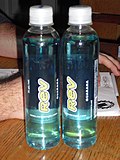 A caffeinated alcoholic beverage known as Rev.
 -
 Pure caffeine in a laboratory setting.
 -
 A sample of absolute ethanol, a type of alcohol.
 -
 An empty bottle of Buckfast Tonic Wine, a caffeinated alcoholic drink.


