Porcine epidemic diarrhea virus: Difference between revisions
CSV import |
CSV import |
||
| Line 21: | Line 21: | ||
[[Category:Coronaviridae]] | [[Category:Coronaviridae]] | ||
[[Template:Virus-stub]] | [[Template:Virus-stub]] | ||
==Porcine_epidemic_diarrhea_virus== | |||
<gallery> | |||
File:14-1165-F1.jpg|14-1165-F1 | |||
File:Planisferio-450x250.gif|Planisferio-450x250 | |||
</gallery> | |||
Latest revision as of 20:58, 25 February 2025
Porcine epidemic diarrhea virus (PEDV) is a highly contagious viral disease that affects pigs. It belongs to the family Coronaviridae and is known to cause severe diarrhea and dehydration in infected animals. The virus primarily affects piglets, leading to high mortality rates and significant economic losses in the swine industry.
Transmission and Spread[edit]
PEDV is primarily transmitted through the fecal-oral route. Infected pigs shed the virus in their feces, which can contaminate the environment, feed, water, and equipment. The virus can survive for extended periods in the environment, making it highly resistant and easily spread between farms. Direct contact between infected and susceptible pigs, as well as indirect contact through contaminated surfaces, are the main modes of transmission.
Clinical Signs and Symptoms[edit]
The clinical signs of PEDV infection vary depending on the age and immune status of the pig. In piglets, the disease is characterized by severe watery diarrhea, vomiting, dehydration, and high mortality rates. Older pigs may exhibit milder symptoms, including reduced appetite, weight loss, and mild diarrhea. The severity of the disease can also be influenced by other factors such as co-infections and management practices.
Diagnosis and Control Measures[edit]
Diagnosing PEDV involves laboratory testing of fecal samples or intestinal tissues from affected pigs. Techniques such as reverse transcription-polymerase chain reaction (RT-PCR) are commonly used to detect the presence of the virus. Strict biosecurity measures, including proper sanitation, disinfection, and quarantine protocols, are crucial for preventing the introduction and spread of PEDV on pig farms. Vaccination is also available in some regions to help control the disease.
Impact on the Swine Industry[edit]
PEDV has had a significant impact on the global swine industry since its emergence in the early 2010s. Outbreaks of the disease have resulted in substantial economic losses due to increased mortality rates, reduced growth rates, and decreased reproductive performance in affected herds. The virus has spread to many countries, causing disruptions in pork production and trade. Efforts to control and manage PEDV continue to be a priority for swine producers worldwide.
Prevention and Future Outlook[edit]
Preventing the introduction and spread of PEDV requires a multi-faceted approach. This includes implementing strict biosecurity measures, such as controlling access to farms, practicing good hygiene, and regularly monitoring pig populations for signs of infection. Ongoing research and development of effective vaccines and antiviral treatments are also essential for managing the disease and minimizing its impact on the swine industry. Template:Virus-stub
Porcine_epidemic_diarrhea_virus[edit]
-
 14-1165-F1
 -
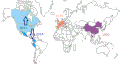 Planisferio-450x250


