Radon mitigation: Difference between revisions
CSV import |
CSV import |
||
| Line 30: | Line 30: | ||
[[Category:Building biology]] | [[Category:Building biology]] | ||
{{medicine-stub}} | {{medicine-stub}} | ||
== Radon mitigation gallery == | |||
<gallery> | |||
File:Radon test kit.jpg|Radon test kit | |||
File:Radon-indoor-one-week.svg|Radon indoor one week | |||
File:USradonmapforhouses.png|US radon map for houses | |||
File:Connecticut Radon Mitigation.jpg|Connecticut Radon Mitigation | |||
File:Radon mitigation by ASD - Minnesota USA home.jpg|Radon mitigation by ASD - Minnesota USA home | |||
</gallery> | |||
Latest revision as of 05:46, 3 March 2025
Radon mitigation is the process of reducing radon gas concentrations in the breathing zones of occupied buildings or radon from water supplies. Radon is a significant environmental health risk, leading to the development of lung cancer, and is considered the second leading cause of lung cancer in the United States after cigarette smoking. The goal of radon mitigation is to lower the radon levels to a safer threshold, as recommended by health authorities such as the Environmental Protection Agency (EPA) and the World Health Organization (WHO).
Methods of Radon Mitigation[edit]
Radon mitigation methods vary depending on whether the radon is entering a building from the air or water. For air-based mitigation, the most common techniques include:
- Soil Suction: Also known as sub-slab depressurization, this method involves drawing radon gas from beneath the foundation of the building and venting it outside.
- Sealing: Sealing cracks and openings in the foundation and walls can help reduce radon entry. However, sealing alone is not usually sufficient to lower radon levels significantly but is often used in conjunction with other mitigation methods.
- Ventilation: Increasing the ventilation in the building can help reduce indoor radon levels. This can be achieved through the installation of additional vents or fans.
- Pressurization: This method involves increasing the air pressure at the base level of the building, which helps prevent radon from entering the living spaces.
For radon in water, treatment options include:
- Aeration: Aeration treatment involves spraying water or mixing it with air and then venting the air from the water before use.
- Granular Activated Carbon (GAC): GAC treatment filters water through carbon to remove radon. However, it can collect radioactivity and may require special handling.
Health Risks[edit]
Radon is a colorless, odorless, and tasteless gas that occurs naturally as a decay product of uranium. Long-term exposure to high levels of radon can lead to lung cancer. The risk of cancer increases with the level of radon and the duration of exposure. The EPA recommends that homes be mitigated if they have radon levels of 4 pCi/L or higher.
Testing for Radon[edit]
Testing is the only way to know a home’s radon levels. There are many do-it-yourself test kits available, or a qualified radon tester can be hired. Testing should be done in the lowest level of the home that is regularly used.
Regulations and Recommendations[edit]
In the United States, the EPA provides guidelines and recommendations for radon mitigation in homes, schools, and workplaces. Some states have their own specific regulations and programs for radon mitigation and testing.
Conclusion[edit]
Radon mitigation is an essential process for ensuring the health and safety of building occupants. By employing various techniques to reduce radon levels, the risk of lung cancer associated with radon exposure can be significantly decreased. Homeowners, builders, and employers should be aware of the importance of testing for radon and implementing appropriate mitigation strategies when necessary.

Radon mitigation gallery[edit]
-
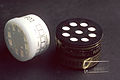 Radon test kit
 -
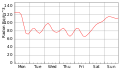 Radon indoor one week
 -
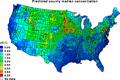 US radon map for houses
 -
 Connecticut Radon Mitigation
 -
 Radon mitigation by ASD - Minnesota USA home


