Wong Lo Kat: Difference between revisions
CSV import |
CSV import |
||
| (One intermediate revision by the same user not shown) | |||
| Line 1: | Line 1: | ||
= | {{Short description|Herbal tea brand originating from China}} | ||
{{Use dmy dates|date=October 2023}} | |||
Wong Lo Kat is a | '''Wong Lo Kat''' (___) is a traditional [[Chinese herbal tea]] brand that has been popular in [[China]] and other parts of [[Asia]] for centuries. Known for its cooling properties, Wong Lo Kat is often consumed to alleviate "heatiness" in the body, a concept in [[Traditional Chinese Medicine]] (TCM). | ||
== History == | ==History== | ||
Wong Lo Kat was founded in the early 19th century by Wong Chat Bong, a practitioner of Traditional Chinese Medicine. The brand's name, "Wong Lo Kat," translates to "Wong's Family Tea," reflecting its origins as a family recipe passed down through generations. The tea gained popularity during the [[Qing Dynasty]] and became a staple in Chinese households. | |||
==Ingredients and Preparation== | |||
Wong Lo Kat is made from a blend of herbs known for their cooling effects. The primary ingredients include: | |||
* [[Chrysanthemum]] | |||
* [[Licorice root]] | |||
* [[Prunella vulgaris]] | |||
* [[Plumeria rubra]] | |||
* [[Microcos paniculata]] | |||
These ingredients are brewed together to create a tea that is both refreshing and beneficial for reducing internal heat. The preparation involves boiling the herbs in water for several hours to extract their medicinal properties. | |||
== Health Benefits == | ==Health Benefits== | ||
In Traditional Chinese Medicine, Wong Lo Kat is believed to: | |||
[[ | * Reduce "heatiness" and balance the body's [[yin and yang]]. | ||
* Aid in digestion and relieve symptoms of indigestion. | |||
* Provide relief from sore throats and other minor ailments associated with heat. | |||
== | ==Cultural Significance== | ||
Wong Lo Kat is more than just a beverage; it is a cultural icon in China. It is often consumed during festivals and family gatherings. The tea is also a popular gift, symbolizing health and well-being. | |||
==Modern Developments== | |||
In recent years, Wong Lo Kat has expanded its market beyond China, reaching consumers in [[Southeast Asia]], [[North America]], and [[Europe]]. The brand has adapted to modern tastes by offering ready-to-drink versions in cans and bottles, making it more accessible to a global audience. | |||
== | ==Controversies== | ||
Wong Lo Kat has been involved in legal disputes over trademark rights, particularly concerning the use of its brand name and packaging. These disputes have highlighted the challenges of maintaining brand integrity in a global market. | |||
==Related pages== | |||
== | |||
* [[Traditional Chinese Medicine]] | * [[Traditional Chinese Medicine]] | ||
* [[Chinese | * [[Herbal tea]] | ||
* [[Chinese cuisine]] | |||
[[Category:Chinese drinks]] | |||
[[Category:Herbal tea]] | |||
[[Category:Traditional Chinese medicine]] | |||
<gallery> | <gallery> | ||
File:Wong_Lo_Kat_310mL.JPG|Wong Lo Kat | File:Wong_Lo_Kat_310mL.JPG|Wong Lo Kat 310mL | ||
File:Wong_Chat_Bong.jpg|Wong | File:Wong_Chat_Bong.jpg|Wong Chat Bong | ||
File:WongLoKat_@_T.S.T.JPG| | File:WongLoKat_@_T.S.T.JPG|WongLoKat @ T.S.T | ||
File:Wong_Lo_Kat_herbal_tea.jpg|Wong Lo Kat | File:Wong_Lo_Kat_herbal_tea.jpg|Wong Lo Kat herbal tea | ||
File:SZM4_404_leaving_Shenzhenbei_Station_(20160812145521).jpg|Wong Lo Kat | File:SZM4_404_leaving_Shenzhenbei_Station_(20160812145521).jpg|Wong Lo Kat | ||
File:Wong_Lo_Kat_310mL.JPG|Wong Lo Kat | File:Wong_Lo_Kat_310mL.JPG|Wong Lo Kat 310mL | ||
File:JDB_Wanglaoji.jpg| | File:JDB_Wanglaoji.jpg|JDB Wanglaoji | ||
File:JDB_drink.jpg| | File:JDB_drink.jpg|JDB drink | ||
File:WangLaoJi_Herbal_Tea_250ml.jpg| | File:WangLaoJi_Herbal_Tea_250ml.jpg|WangLaoJi Herbal Tea 250ml | ||
File:Wong_Lo_Kat_Malaysia.JPG|Wong Lo Kat | File:Wong_Lo_Kat_Malaysia.JPG|Wong Lo Kat Malaysia | ||
File:Wong_Lo_Kat_Herbal_Beverage,_310ml_Can,_United_States,_2022.jpg|Wong Lo Kat | File:Wong_Lo_Kat_Herbal_Beverage,_310ml_Can,_United_States,_2022.jpg|Wong Lo Kat Herbal Beverage, 310ml Can, United States, 2022 | ||
</gallery> | </gallery> | ||
Latest revision as of 21:48, 20 February 2025
Herbal tea brand originating from China
Wong Lo Kat (___) is a traditional Chinese herbal tea brand that has been popular in China and other parts of Asia for centuries. Known for its cooling properties, Wong Lo Kat is often consumed to alleviate "heatiness" in the body, a concept in Traditional Chinese Medicine (TCM).
History[edit]
Wong Lo Kat was founded in the early 19th century by Wong Chat Bong, a practitioner of Traditional Chinese Medicine. The brand's name, "Wong Lo Kat," translates to "Wong's Family Tea," reflecting its origins as a family recipe passed down through generations. The tea gained popularity during the Qing Dynasty and became a staple in Chinese households.
Ingredients and Preparation[edit]
Wong Lo Kat is made from a blend of herbs known for their cooling effects. The primary ingredients include:
These ingredients are brewed together to create a tea that is both refreshing and beneficial for reducing internal heat. The preparation involves boiling the herbs in water for several hours to extract their medicinal properties.
Health Benefits[edit]
In Traditional Chinese Medicine, Wong Lo Kat is believed to:
- Reduce "heatiness" and balance the body's yin and yang.
- Aid in digestion and relieve symptoms of indigestion.
- Provide relief from sore throats and other minor ailments associated with heat.
Cultural Significance[edit]
Wong Lo Kat is more than just a beverage; it is a cultural icon in China. It is often consumed during festivals and family gatherings. The tea is also a popular gift, symbolizing health and well-being.
Modern Developments[edit]
In recent years, Wong Lo Kat has expanded its market beyond China, reaching consumers in Southeast Asia, North America, and Europe. The brand has adapted to modern tastes by offering ready-to-drink versions in cans and bottles, making it more accessible to a global audience.
Controversies[edit]
Wong Lo Kat has been involved in legal disputes over trademark rights, particularly concerning the use of its brand name and packaging. These disputes have highlighted the challenges of maintaining brand integrity in a global market.
Related pages[edit]
-
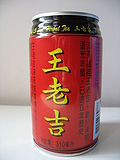 Wong Lo Kat 310mL
 -
 Wong Chat Bong
 -
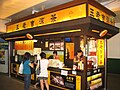 WongLoKat @ T.S.T
 -
 Wong Lo Kat herbal tea
 -
 Wong Lo Kat
 -
Wong Lo Kat 310mL
-
 JDB Wanglaoji
 -
 JDB drink
 -
 WangLaoJi Herbal Tea 250ml
 -
 Wong Lo Kat Malaysia
 -
 Wong Lo Kat Herbal Beverage, 310ml Can, United States, 2022


.jpg)


